Delhi's vehicle ban faces big test at borders: Can enforcement keep up?
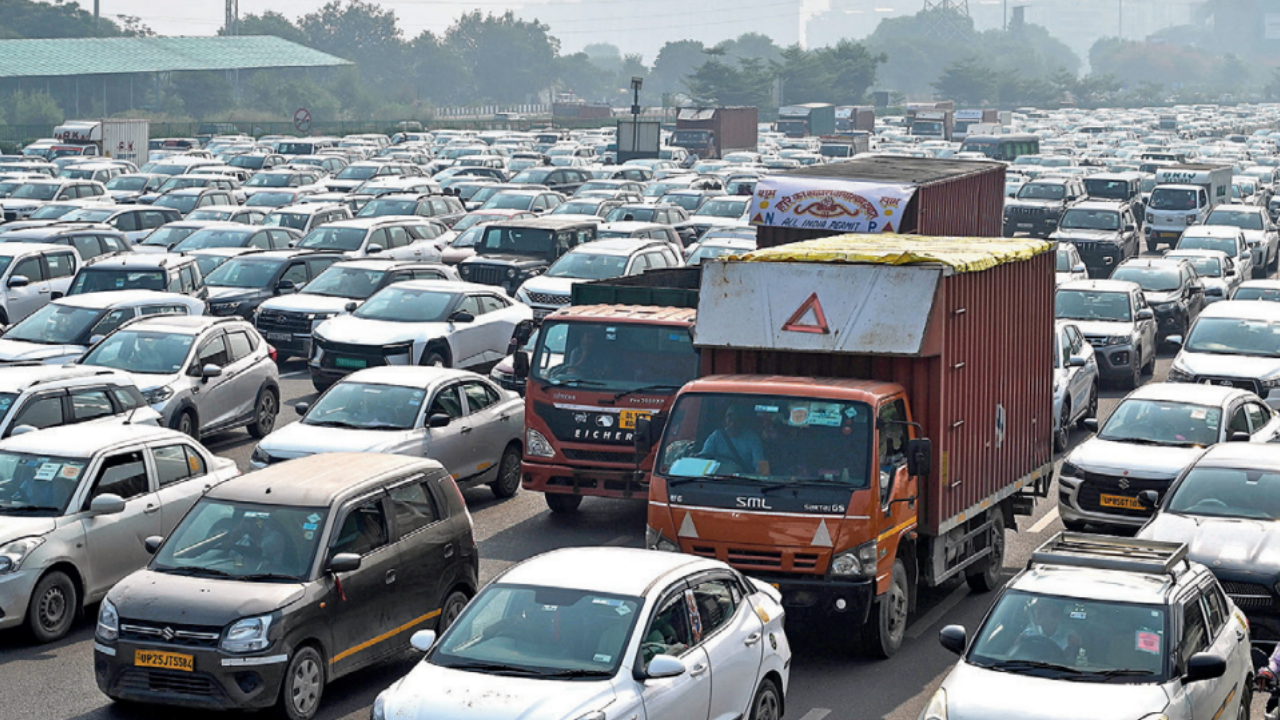
Delhi will bar older vehicles that do not meet BS6 emission standards from entering the city, aiming to cut air pollution. Officials are concerned that the large number of entry points and rush‑hour traffic could overwhelm enforcement capacity.
The capital has struggled with poor air quality for years, and the government has turned to stricter vehicle standards as a key tool. Under the new rule, any vehicle that fails to comply with the BS6 norm, which limits nitrogen oxides and particulate matter, will be denied entry. The policy follows a series of measures such as odd‑even schemes and diesel vehicle bans, all intended to bring down the city’s hazardous particulate levels that regularly exceed national safety limits.
Enforcement will rely heavily on technology, especially automatic number plate recognition (ANPR) cameras installed at major checkpoints. These systems can scan plates in real time, compare them against a database of non‑compliant vehicles, and alert police to violations. However, Delhi has dozens of peripheral roads, highways, and smaller gates that see heavy traffic during peak hours, making it difficult to monitor every vehicle without causing bottlenecks. Officials acknowledge that staffing these points and maintaining the equipment will require significant resources and coordination among traffic police, environmental agencies, and municipal authorities.
For readers across India, the move highlights how urban centers are using regulatory and tech solutions to address air‑quality crises that affect health, productivity, and quality of life. If Delhi can demonstrate that strict vehicle controls are enforceable, other polluted cities may adopt similar approaches, potentially reshaping transport policy nationwide. The success or failure of this enforcement will likely influence future debates on vehicle standards and environmental regulation in the country.
Comments 0