Delhi's Winter Choke: The Capital's Air Quality Collapses to Severe Levels
The Air Quality Index in Delhi has surged to 389, plunging the capital into a state of severe pollution that has triggered widespread respiratory distress among residents. This seasonal crisis exposes the fragility of institutional controls and leaves millions vulnerable to immediate health hazards.
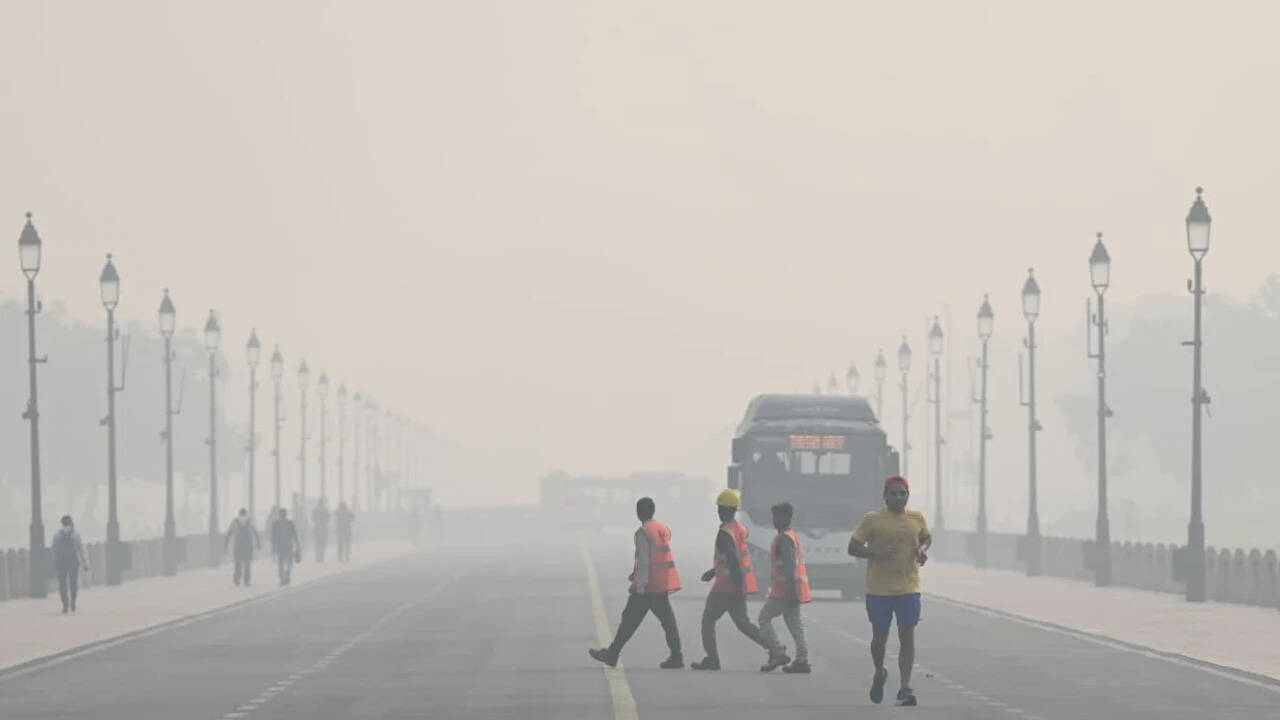
The winter air in Delhi has turned toxic once again, with the overall Air Quality Index climbing to 389, a threshold that marks the boundary between hazardous and severe conditions. Specific zones, including the IIT Delhi campus and the sprawling residential areas of Rohini, have recorded even higher concentrations of particulate matter, effectively sealing the city in a suffocating haze. For the millions who inhabit this metropolis, the sky is no longer a visual backdrop but a tangible threat, with residents reporting acute difficulties in breathing and a pervasive sense of helplessness as the smog thickens with each passing hour.
This deterioration is not an isolated incident but a recurring seasonal failure that underscores the deep institutional friction in managing urban pollution. Despite various government initiatives and emergency protocols, the capital remains trapped in a cycle of annual crisis, where the onset of winter invariably coincides with a collapse in air quality. The inability to sustain clean air standards during this period suggests a systemic gap in enforcement and long-term planning, where temporary measures fail to address the root causes of industrial emissions, vehicle exhaust, and agricultural stubble burning that converge on the city from all directions.
The immediate casualties of this environmental rupture are the most vulnerable populations, including children, the elderly, and those with pre-existing respiratory conditions. Hospitals are bracing for a surge in admissions for asthma attacks and other breathing-related ailments, while schools and workplaces face the disruption of normal activities. The tangible outcome is a public health emergency that repeats with predictable regularity, eroding the quality of life and highlighting the urgent need for a more robust, permanent solution to the capital's air quality crisis.
Comments 0