Demolition of Ritwik Ghatak’s Ancestral Home Sparks Cultural Outrage
The destruction of the ancestral home of legendary filmmaker Ritwik Ghatak in Rajshahi has ignited fierce protests from cultural activists. The incident underscores the precarious status of heritage sites in the face of urban development and political neglect.
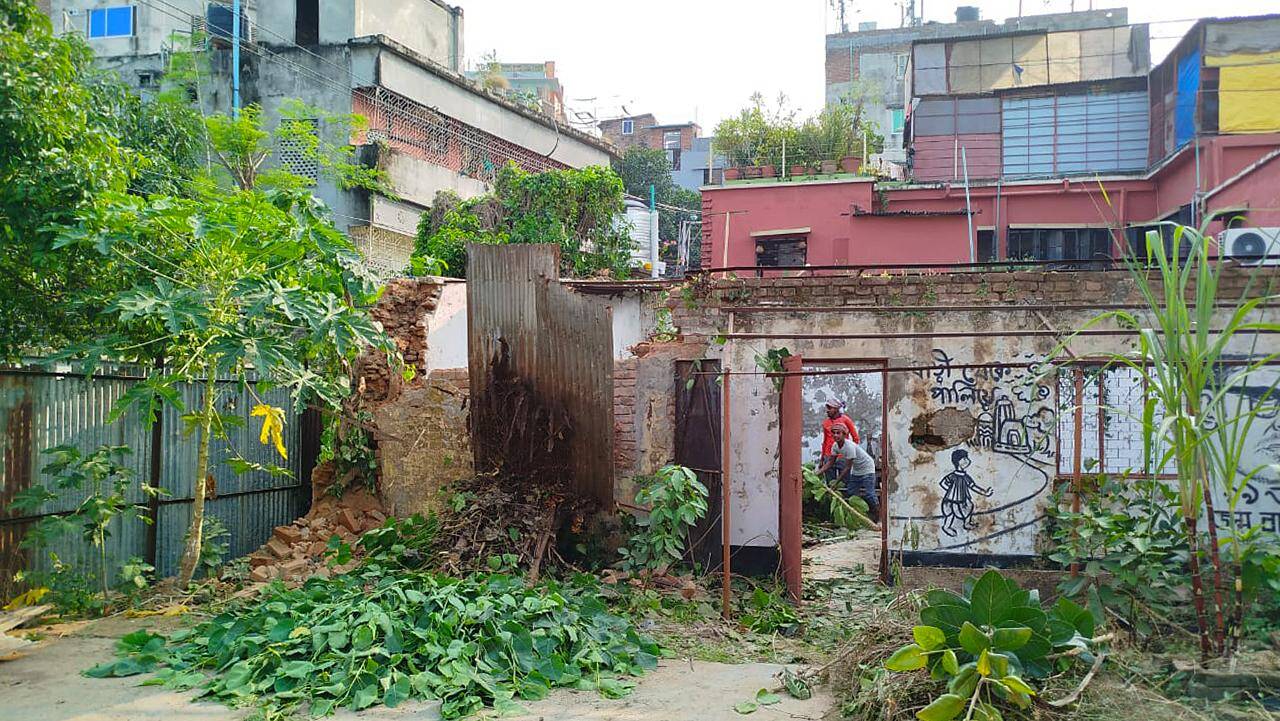
The concrete rupture is the physical erasure of a site deeply embedded in the cultural memory of Bengali cinema. The demolition of the ancestral home of Ritwik Ghatak, a towering figure in Indian and world cinema, has provoked immediate and intense outrage from cultural activists and film enthusiasts. This act is not merely a loss of bricks and mortar but a symbolic severing of the link between a living cultural tradition and its historical roots, perceived as an affront to the artistic heritage of the region.
The underlying tension reveals a persistent conflict between modernization and preservation. In many parts of the subcontinent, heritage sites are often viewed as obstacles to urban development or commercial interests, leading to their neglect or active destruction. The incident highlights the institutional friction between local authorities, who may prioritize economic growth, and cultural bodies, who advocate for the protection of historical landmarks. The lack of robust legal frameworks or political will to enforce preservation orders leaves such sites vulnerable to opportunistic demolition.
The downstream casualties include the loss of a tangible connection to a significant period in cinematic history and the demoralization of the cultural community. The tangible outcome is a precedent that may encourage further encroachment on other heritage sites, as the absence of immediate consequences emboldens those who view cultural preservation as a secondary concern. This erosion of cultural infrastructure weakens the social fabric and diminishes the collective identity that is partly sustained by the memory of its artistic pioneers.
Comments 0