Dharavi Residents Boycott Awareness Campaign in Mumbai
Residents of Dharavi have boycotted a two-day awareness campaign, signaling deep-seated distrust of external interventions. The move reflects the community's resistance to top-down initiatives that fail to address their immediate needs and autonomy.
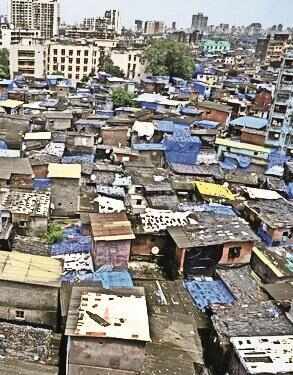
The concrete rupture is the collective refusal of Dharavi residents to participate in a government or NGO-led awareness campaign. This boycott is a powerful statement of dissent, indicating that the community views such initiatives as performative or disconnected from their lived realities. The act of non-participation disrupts the intended narrative of the campaign and highlights the gap between the planners of such programs and the people they aim to serve.
The underlying tension is rooted in a history of marginalization and a lack of genuine consultation. Residents of Dharavi often feel that external agencies impose solutions without understanding the complex social and economic dynamics of the slum. The institutional friction arises from the top-down approach to development, which fails to empower local leadership or address the root causes of the issues the campaign aims to tackle. This disconnect fosters a sense of alienation and resentment among the community members.
The downstream casualties include the failure of the campaign to achieve its stated goals and the potential for further alienation of the community. The tangible outcome is a reinforced barrier between the state or external organizations and the slum residents, making future interventions even more difficult. This dynamic may lead to a shift in development strategies, necessitating a more participatory and community-driven approach to address the challenges facing Dharavi.
Comments 0