Dharavi's Transformation: Fadnavis Promises a Decade of Economic Rebirth
Maharashtra Chief Minister Devendra Fadnavis has declared that the Dharavi slum will evolve into a premier business hub within ten years, signaling a massive shift in urban planning and industrial policy. This ambitious projection places the informal economy at the center of the state's growth narrative, challenging traditional notions of urban development and land use.
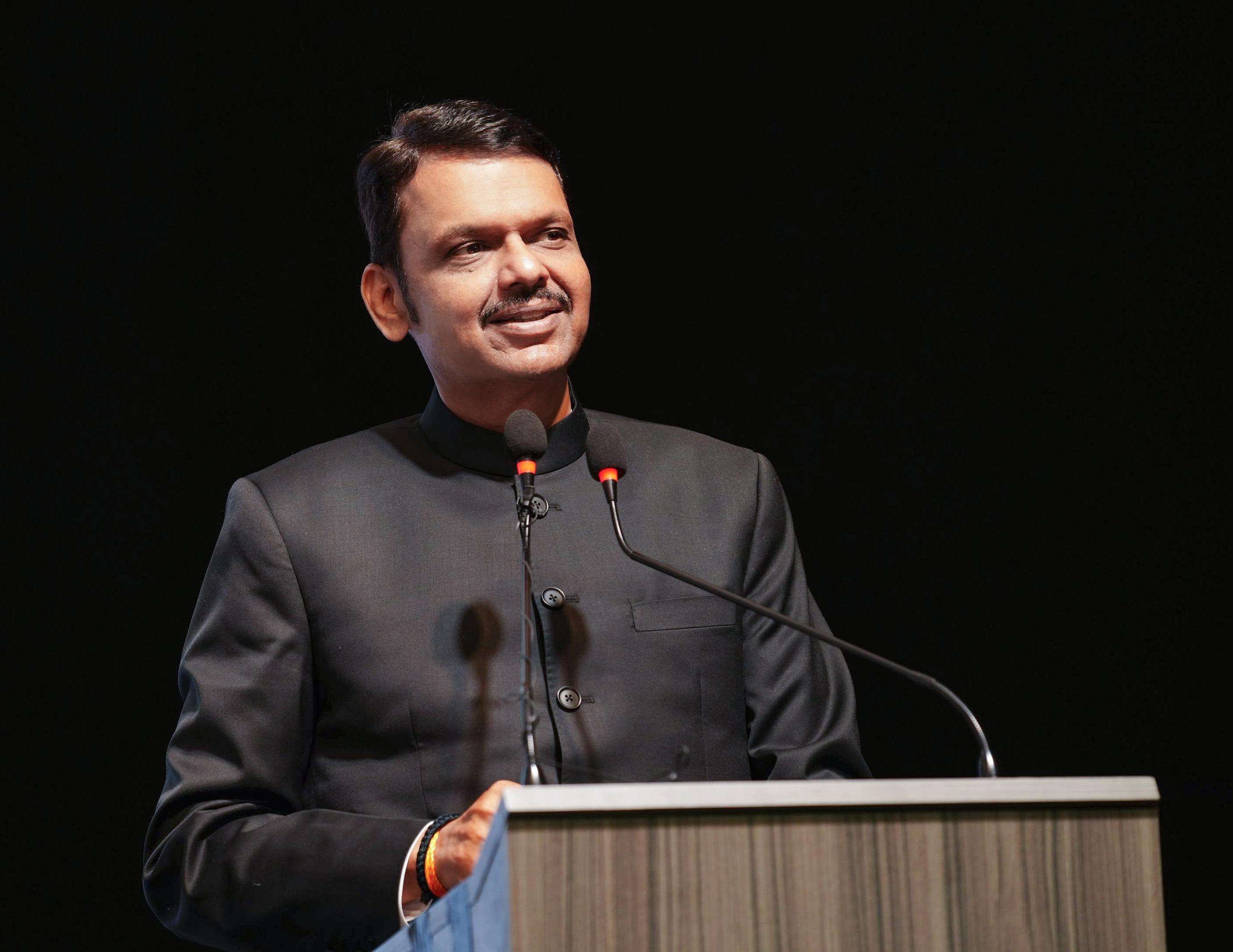
The announcement by Chief Minister Devendra Fadnavis marks a definitive rupture in how Mumbai’s most dense and economically active slum is perceived by the state government. Rather than viewing Dharavi solely through the lens of eviction or sanitation, the administration is now framing it as a critical engine of future commerce. This shift moves the narrative from crisis management to strategic investment, acknowledging the sheer volume of micro-enterprises that already operate within the slum's narrow lanes. The declaration effectively rebrands a marginalized community as a cornerstone of the state's economic identity, setting the stage for a decade of intense policy experimentation.
The underlying tension in this move lies in the friction between informal labor practices and formal regulatory frameworks. Dharavi has long operated in a gray zone where zoning laws are routinely ignored in favor of economic survival. By promising a business hub status, the government must now reconcile the existing chaotic infrastructure with the requirements of a modern industrial park. This institutional friction will likely manifest in disputes over land rights, environmental clearances, and the displacement of residents who have lived and worked there for generations. The state faces the difficult task of formalizing an economy that has thrived precisely because it remained unregulated.
The downstream consequences of this policy pivot will be felt by millions of workers, investors, and residents. For the informal sector, this could mean access to credit, better infrastructure, and legal protection, but it also risks the commodification of their livelihoods. Investors may flock to the area, driving up costs and potentially displacing the very entrepreneurs the policy aims to support. The tangible outcome will be a reshaping of Mumbai's economic geography, where the boundary between the slum and the corporate sector dissolves, creating a new hybrid zone of commerce that is both highly productive and deeply contested.
Comments 0