Digital Burnout Drives Patna Readers Toward Traditional Community Book Clubs
Urban professionals in Patna are turning away from algorithmic screen time and embracing physical book clubs to combat digital fatigue. This offline shift is fostering genuine literary communities in spaces traditionally dominated by competitive exam coaching.
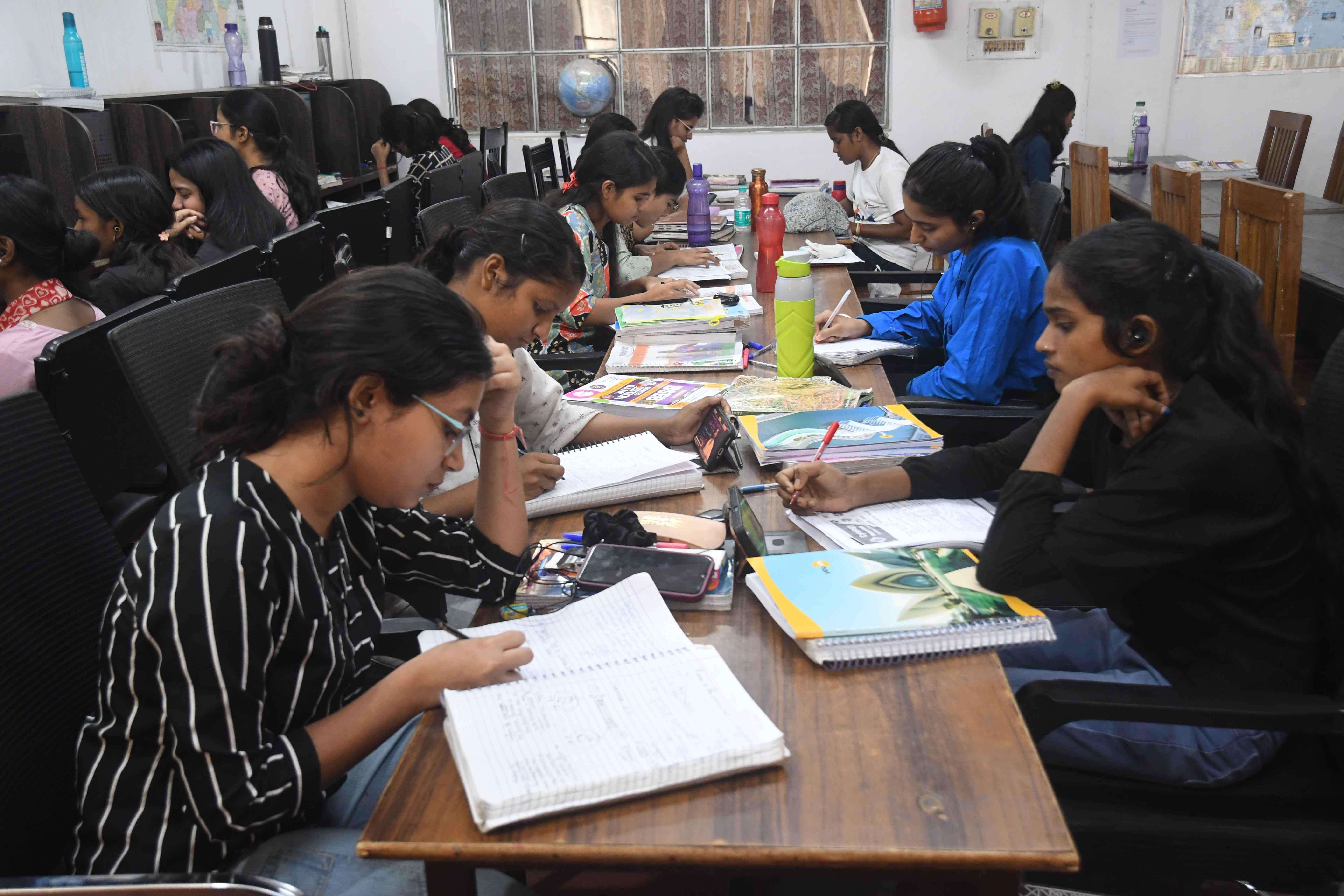
The physical reality of modern urban life in Bihar's capital is increasingly mediated by glowing smartphone screens, endless notifications, and the relentless pressure of digital connectivity. In response to this cognitive saturation, a growing faction of young professionals and university students is retreating into the tangible weight of printed paper. Local cafes and quiet public libraries are hosting burgeoning reading circles where participants gather not for academic certification, but for unhurried discourse on classic and contemporary literature. This phenomenon marks a quiet rebellion against the attention economy, as residents reclaim their leisure hours from social media algorithms designed to monetize distraction.
This cultural pivot highlights a deep-seated hunger for authentic human connection in an era dominated by hyper-individualized digital isolation. Patna, long recognized as a relentless engine for bureaucratic and engineering entrance examinations, is discovering a different rhythm through these literary collectives. The friction lies between the utilitarian demands of a hyper-competitive job market and the soulful necessity of artistic engagement. Organizers of these reading groups emphasize that participants are seeking refuge from the anxiety of productivity culture, finding solace in shared silences and rigorous debates about fictional worlds that bear no relation to their daily professional stresses.
The tangible outcome of this movement is a resurgence of independent reading culture and localized physical commerce around neighborhood bookstores and cafes. Coffee shop owners are noting higher weekend footfall as patrons swap laptops for paperbacks, creating sustainable micro-economies centered on intellectual community. Over the coming months, this trend threatens to permanently alter how young urban Indians consume culture, proving that offline sanctuaries retain immense commercial and psychological value. As digital fatigue deepens across Tier-2 cities, these grassroots reading clubs offer a viable blueprint for reclaiming public space from virtual noise.
Comments 0