Digital Payments and Consumer Friction as UPI Transaction Fee Debates Continue
Financial regulators and payment gateways continue to debate the economic sustainability of processing zero-fee Unified Payments Interface transactions across India. The dialogue addresses who ultimately absorbs infrastructural maintenance costs as digital transaction volumes scale exponentially.
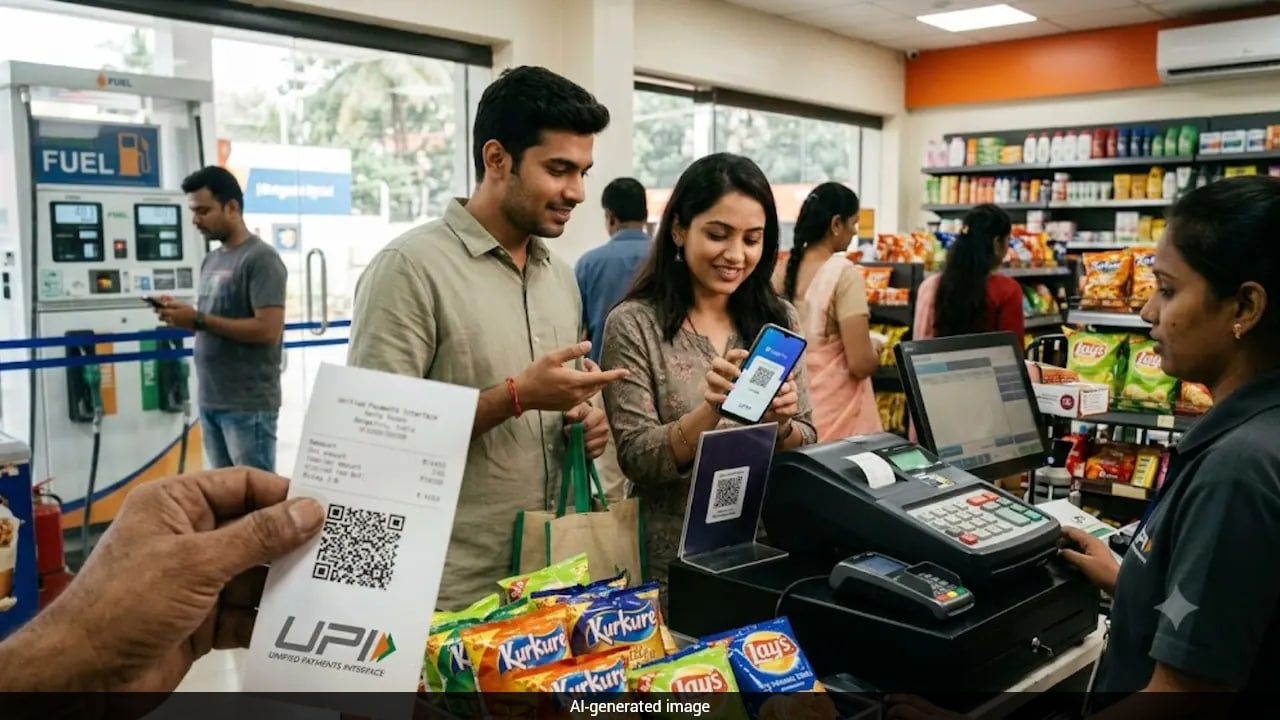
The explosive growth of instant digital payments has strained the profit margins of banks and fintech intermediaries tasked with maintaining robust payment rails. While consumers enjoy frictionless, zero-cost merchant transfers, lending institutions absorb the infrastructural overhead required to guarantee instantaneous settlement. Regulatory bodies face the complex challenge of balancing financial inclusion mandates with the commercial viability of banking partners. Institutional friction persists between payment service providers and merchant associations regarding MDR subsidies and government budgetary allocations. Fintech companies argue that without state support or modest merchant fees, investment in cybersecurity and network redundancy will plateau. Traditional banks, on the other hand, view the payments network as an indispensable customer acquisition funnel that justifies baseline maintenance expenditures. The ongoing debate will likely result in targeted regulatory adjustments regarding merchant discount rates for large corporate transactions while preserving free peer-to-peer transfers. Smaller fintech startups unable to subsidize infrastructure costs will face consolidation pressures from dominant market aggregators. Long-term systemic stability depends on establishing a sustainable funding mechanism for public digital infrastructure.
Comments 0