Dip in Delhi pollution levels, but Yamuna's condition becomes flashpoint during Chhath
A minor reduction in Delhi's air pollution was overshadowed by political and environmental disputes over heavy toxic foam on the Yamuna River during Chhath Puja. Devotees faced hazardous river conditions while performing traditional religious rites, raising concerns over municipal pollution controls.
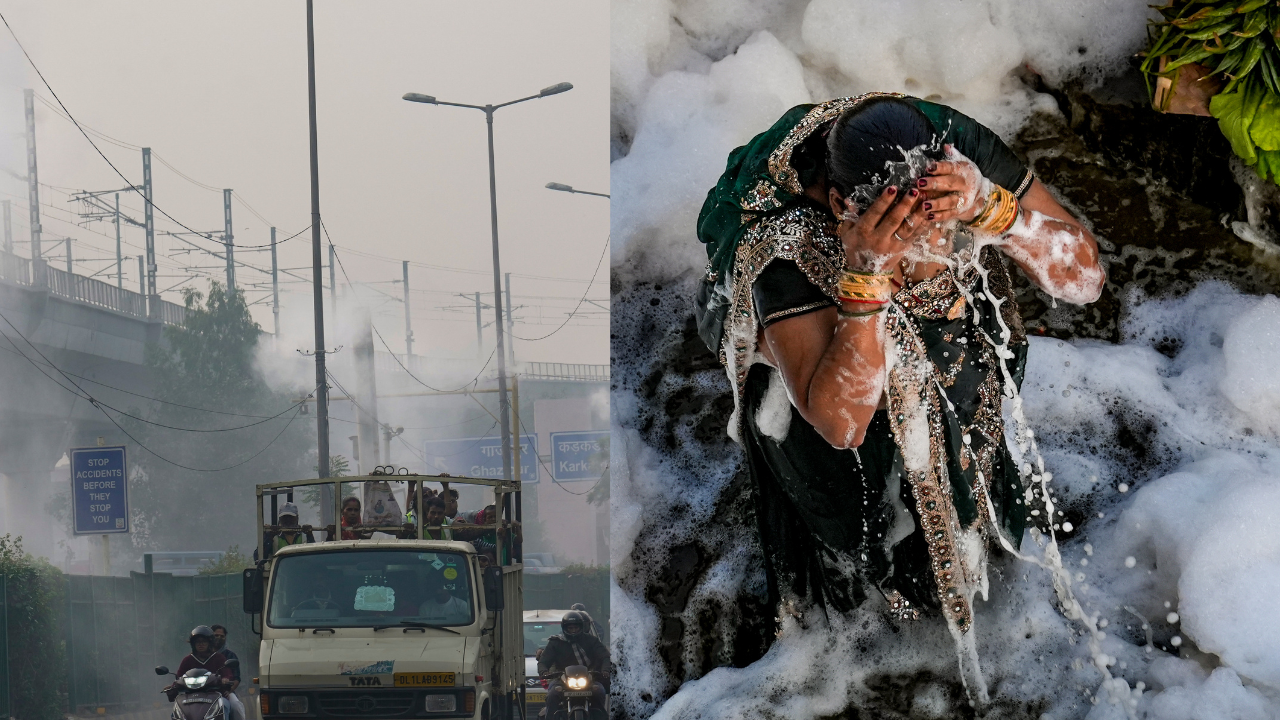
Delhi recorded a brief decline in atmospheric pollution levels, but environmental concerns quickly shifted toward the state of the Yamuna River during the annual Chhath Puja celebrations. Devotees gathering along the riverbanks to perform traditional rituals faced visible thick layers of toxic foam floating on the water surface. The alarming visual condition of the river generated intense public debate and political arguments regarding administrative preparedness and long-term river restoration efforts during one of the national capital region's most significant cultural observances.
This issue holds immense importance for readers in India, particularly the vast population of migrants from Bihar and eastern Uttar Pradesh who celebrate Chhath Puja with deep religious devotion. Standing in river water to offer prayers to the Sun God is a central ritual of the festival, making the severe water pollution a direct threat to the health and religious practices of thousands of worshipers. The situation highlights ongoing governance failures in controlling industrial effluents and untreated sewage entering major urban water bodies.
The controversy underscores the broader challenge of managing water pollution in major Indian cities despite heavy public spending on river cleaning initiatives. Municipal authorities attempted temporary measures, such as spraying chemical defoamers and deploying water sprinklers, to dissipate the toxic foam before peak worship hours. However, environmental experts emphasize that permanent solutions require strict enforcement against industrial polluters, upgraded sewage treatment infrastructure, and sustained inter-state cooperation to prevent untreated domestic waste from polluting rivers across the country.
Comments 0