Diplomatic Calculus at the Frontier: Prime Minister Modi Directs Xi Jinping on Core National Concerns
During high-level bilateral engagements, Prime Minister Narendra Modi articulated that mutual sensitivity toward territorial and strategic concerns remains the absolute prerequisite for normalization. This diplomatic positioning forces Beijing to reevaluate its border posture while signalling New Delhi's unwillingness to decouple economic engagement from sovereign security.
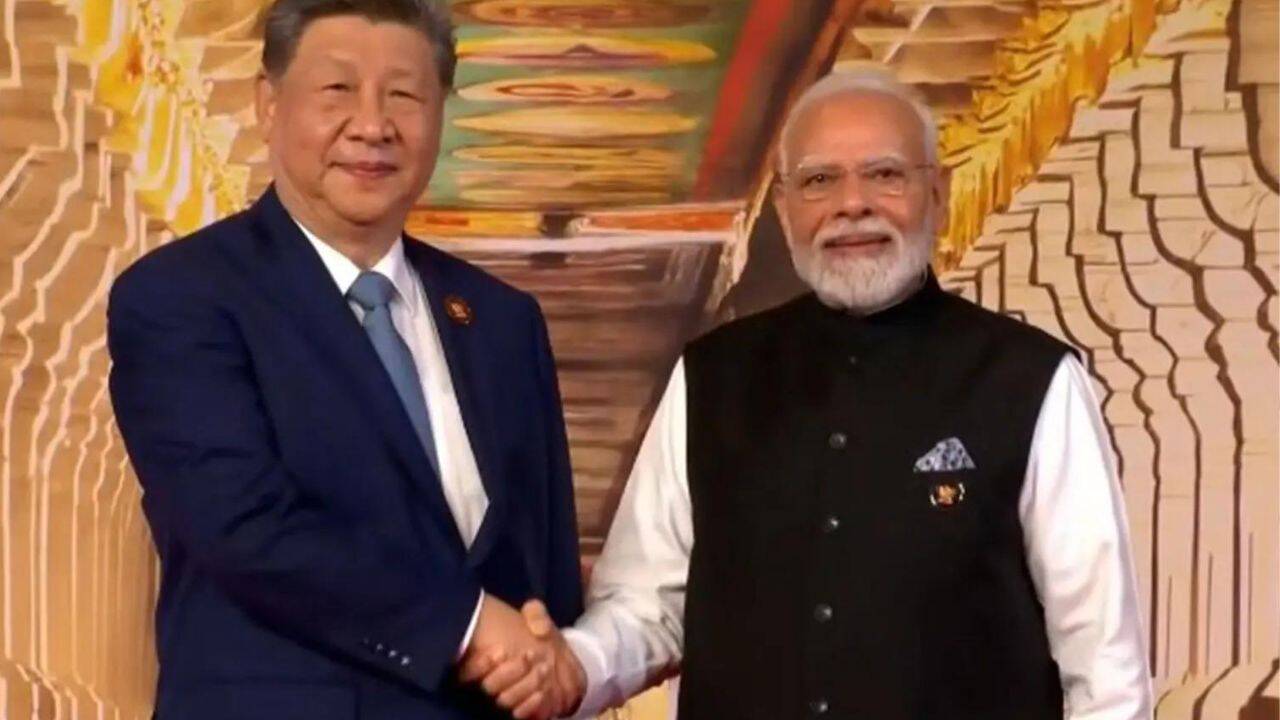
The diplomatic corridors of international summits frequently produce platitudes, yet the recent exchange between Prime Minister Narendra Modi and President Xi Jinping carried a calculated edge. New Delhi made it explicitly clear that bilateral relations cannot return to equilibrium while the contested Himalayan frontier remains heavily militarized. By demanding that China acknowledge and respect India's core sensitivities, the Indian administration shifted the burden of de-escalation squarely onto Beijing. This friction stems from years of strategic distrust following the Galwan Valley skirmishes, which fundamentally ruptured the economic and political assumptions governing Asian geopolitics for three decades. While commercial ties persisted, India systematically insulated its domestic digital infrastructure from Chinese capital, banning numerous applications and restricting foreign direct investments from neighboring land-border states. President Xi now confronts an adversary that has successfully diversified its strategic partnerships, engaging Western security architectures through the Quad while maintaining operational autonomy. The immediate consequence of this hardline stance is a prolonged diplomatic freeze masquerading as cautious dialogue, where every troop disengagement is agonizingly negotiated rather than assumed. For regional stability, this equilibrium prevents open conflict but guarantees that economic interdependence remains permanently subordinated to military readiness. Over the coming quarters, intelligence agencies and foreign ministries in both capitals will measure sincerity not by joint communiques, but by the physical withdrawal of forward-deployed artillery and infantry battalions.
Comments 0