Diplomatic Escalation at the United Nations Regarding State-Sponsored Terrorism
India launched a blistering critique against Pakistan during a high-level United Nations session. The Indian delegation dismantled regional pretexts by asserting that global terror architects operated in plain sight rather than in remote mountain hideouts.
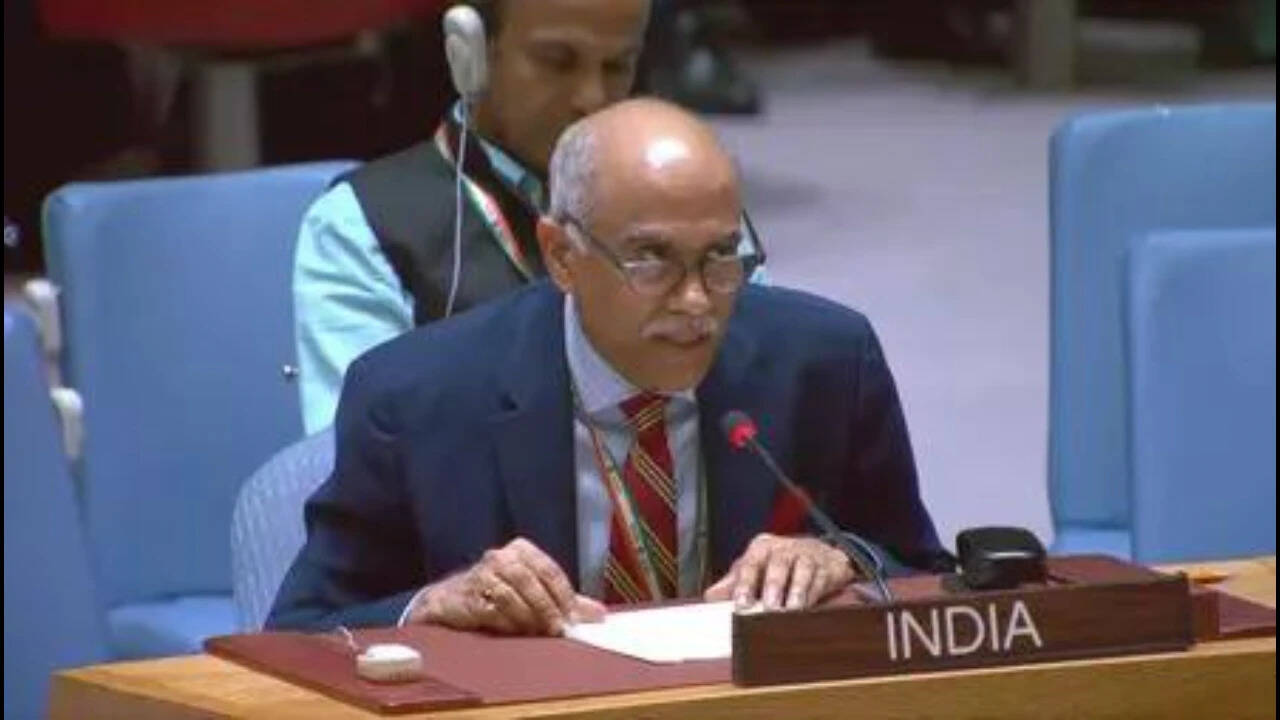
The diplomatic broadside targeted the persistent operational safety provided to anti-India militant outfits within neighboring jurisdictions. By invoking the structural parallels of historical intelligence failures, the Indian envoy reminded the global body that transnational networks require sophisticated institutional patronage and urban safe havens to thrive. The address punctured the diplomatic immunity often claimed by state actors who plead ignorance regarding the domestic sanctuaries enjoyed by proscribed entities. This confrontation exposes the profound paralysis gripping multilateral counter-terrorism frameworks. While Western security agencies prioritize specific regional threats, South Asian security architecture remains perpetually undermined by state-backed infiltration tactics. India's strategy has shifted decisively toward proactive diplomatic exposure, stripping away the deniability historically afforded to proxy sponsors within international forums. The tangible fallout is a hardening of diplomatic isolation for Islamabad across international financial monitoring bodies, alongside heightened intelligence cooperation between New Delhi and Western counter-terrorism desks. By keeping the spotlight fixed on urban networks and institutional complicity, India ensures that cross-border militancy remains a core agenda item in global security evaluations.
Comments 0