Doomsday Protocols: The Pentagon's Nuclear Hedge Against Grid Collapse
The Department of Defense is accelerating the deployment of micro nuclear reactors to sustain military operations for ninety days without external power support. This strategic pivot signals a profound loss of confidence in the resilience of the American energy infrastructure against cascading systemic failures.
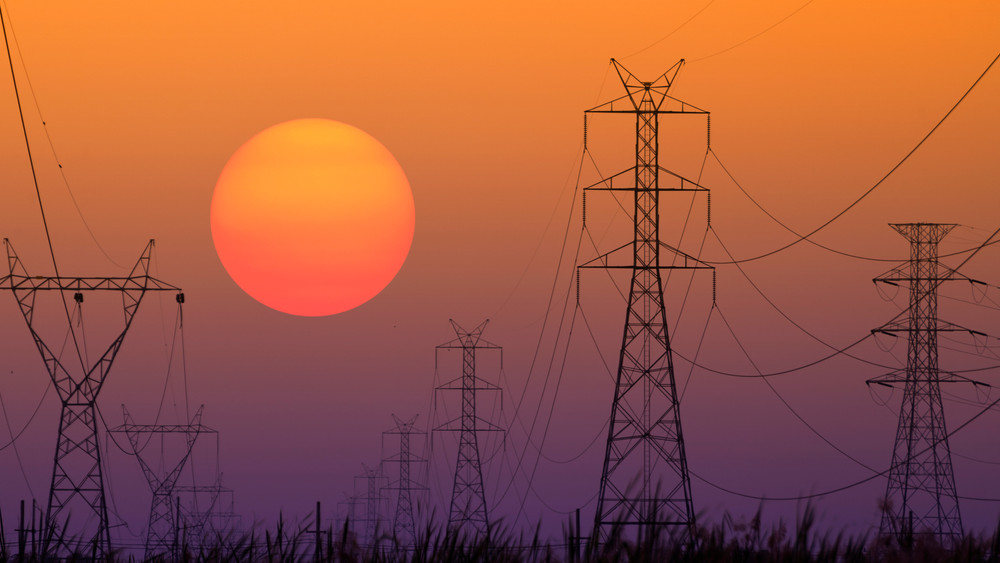
The United States military is preparing for a catastrophic rupture in the national power grid, a scenario where the lights go out and do not come back on for three months. The Department of Defense has identified micro nuclear reactors as the sole viable solution to keep command centers, logistics hubs, and defensive perimeters operational in such a vacuum. This is not merely a logistical upgrade; it is an admission that the existing electrical infrastructure is too fragile to support the nation's security apparatus during a prolonged crisis. The shift moves nuclear technology from the civilian sector into the heart of strategic defense, fundamentally altering the relationship between energy policy and military readiness.
The underlying tension stems from a growing recognition that supply chains and power grids are vulnerable to simultaneous shocks, whether from cyberattacks, natural disasters, or geopolitical sabotage. Institutional friction exists between civilian energy regulators, who prioritize cost and safety, and military planners, who prioritize redundancy and autonomy. The DoD's move bypasses traditional grid dependencies, creating a parallel energy system that operates outside the usual regulatory frameworks. This separation raises questions about oversight, safety standards, and the potential for a dual-use technology that could have implications beyond the battlefield.
The downstream consequences of this strategy are significant for both domestic politics and global energy markets. By investing in isolated nuclear assets, the military reduces its vulnerability to domestic political disputes over energy policy, but it also sets a precedent for decentralized power generation that could reshape the utility sector. For the general public, this means a continued reliance on a grid that the military itself no longer trusts, creating a stark divide between protected institutions and vulnerable civilian populations. The long-term impact will be a more militarized approach to energy security, with potential implications for nuclear proliferation and the economic viability of small modular reactors.
Comments 0