Dry Threads: Pune Laundries Grapple with Water Scarcity
A severe water shortage in Pune has forced local laundries to cut wash loads or consider raising prices, threatening livelihoods and consumer costs. The crisis underscores the fragility of urban water infrastructure and its ripple effects on small businesses.
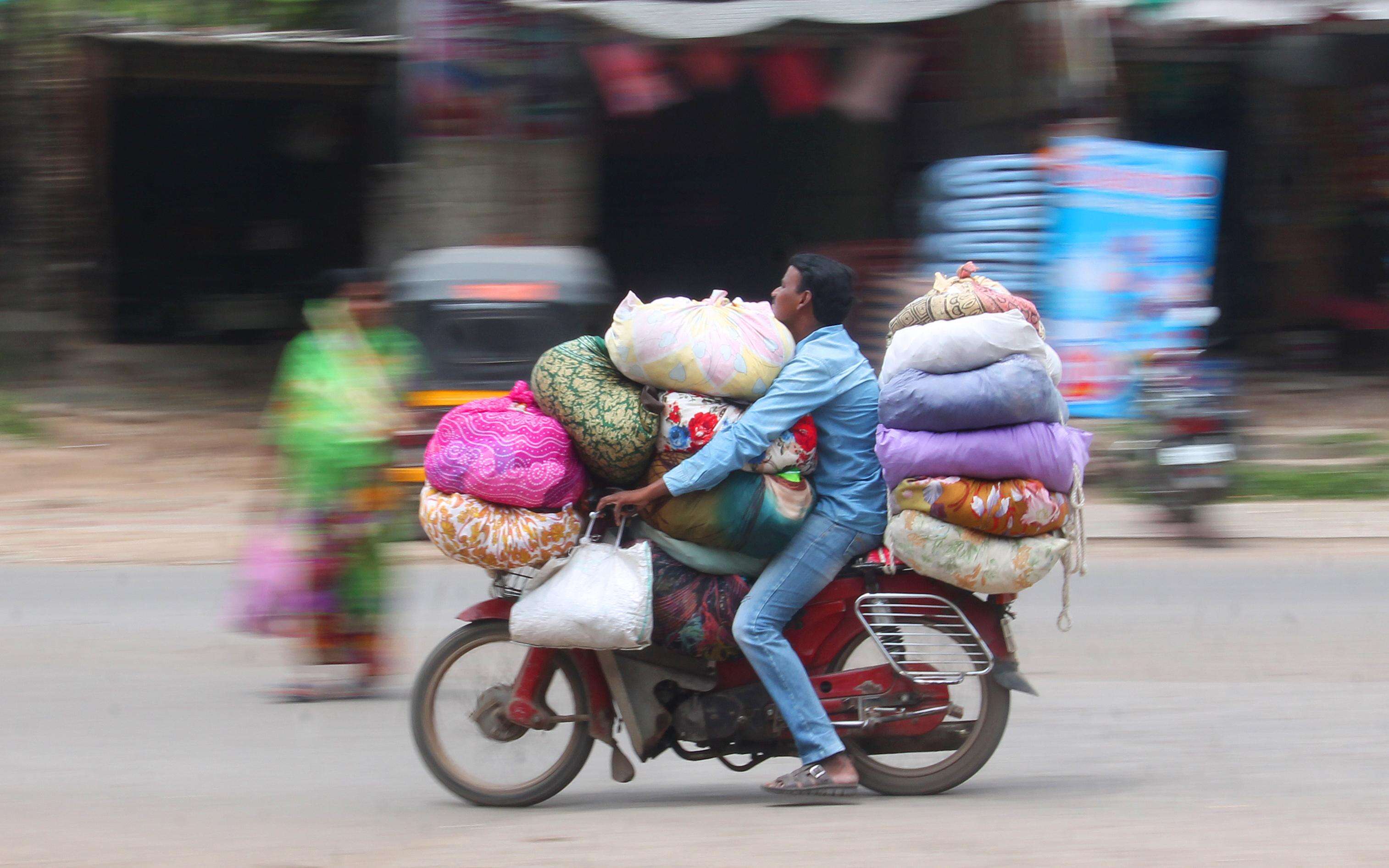
Pune, a city that has seen rapid urbanisation and a surge in disposable income, is currently grappling with a severe water shortage that has left many households and businesses scrambling for supplies. Local laundries, which rely heavily on water for washing and rinsing, have been hit hardest by the crisis. The shortage has forced shop owners to reduce wash loads, thereby cutting revenue, or to consider raising prices to cover the increased cost of water procurement. The situation underscores the fragility of Pune’s water infrastructure and its ripple effects on small‑scale enterprises.
The concrete rupture is the sudden depletion of water resources, which has disrupted the daily operations of dozens of laundries across the city. Some owners have opted to limit the number of loads per day, while others are exploring alternative water sources or negotiating higher rates with suppliers. The decision to hike prices has sparked concern among consumers, many of whom already face rising living costs. The shortage has also prompted municipal authorities to issue advisories on water usage, adding another layer of regulatory pressure on the informal sector.
The downstream consequences of this crisis will reverberate through the local economy. Workers employed in laundries may face reduced hours or lower wages, while customers could experience higher costs for basic laundry services. The strain on water resources may also prompt a reevaluation of municipal water allocation policies, potentially prioritising essential services over commercial uses. In the broader context, the crisis could accelerate the adoption of water‑saving technologies and encourage the development of alternative business models that are less dependent on scarce resources.
Comments 0