Ecological Milestones: Bengaluru Immersion Rituals and Urban Water Body Management
Nearly two hundred thousand Ganesha idols were immersed across Bengaluru on the opening day of festivities, highlighting the massive logistical scale of traditional celebrations. This annual ritual underscores the persistent challenge of balancing religious fervor with urban water body preservation.
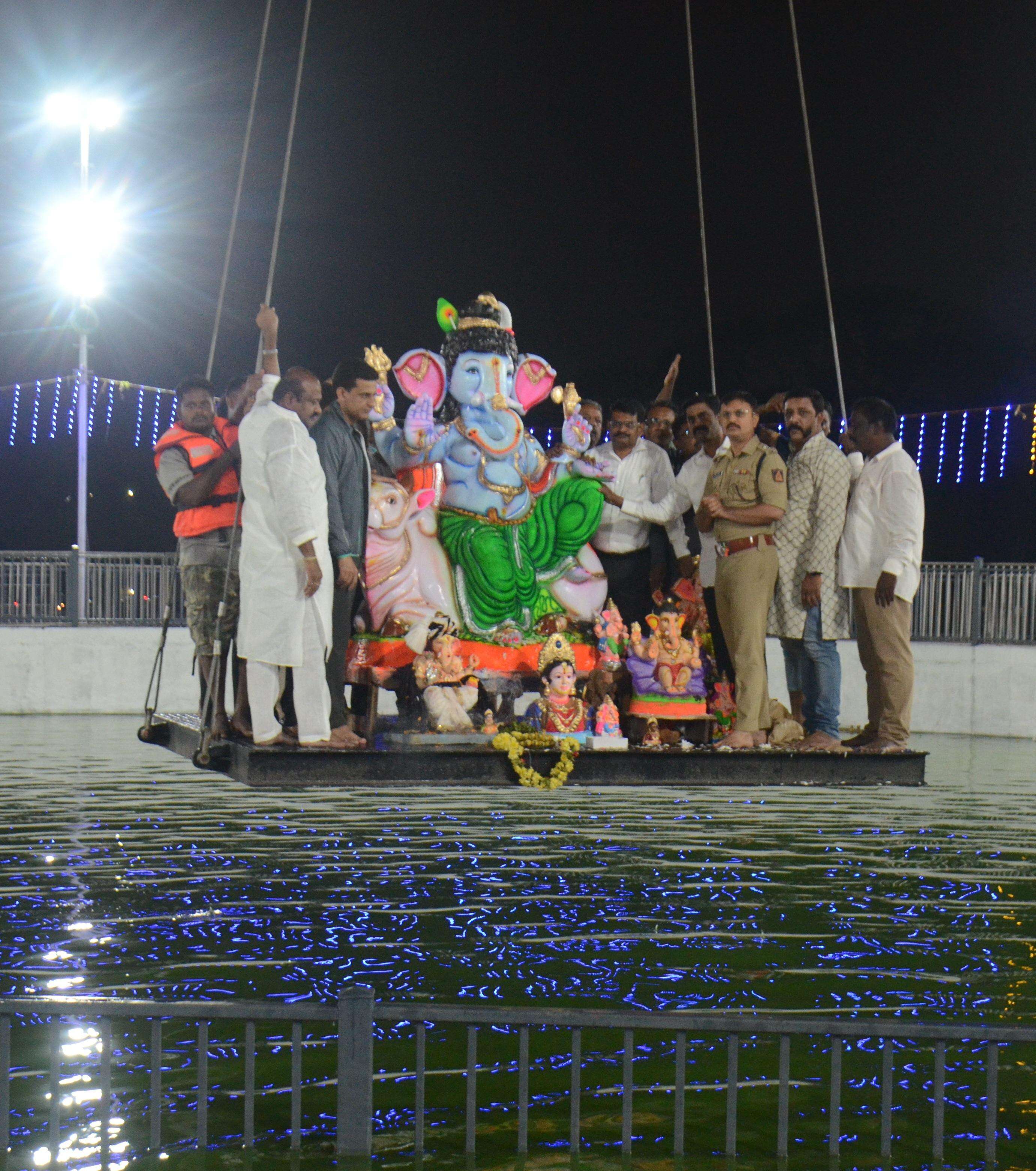
The sheer scale of metropolitan religious festivals in India creates extraordinary logistical demands on municipal authorities tasked with maintaining public order and environmental integrity. In Bengaluru, the commencement of festive idol immersions saw nearly two hundred thousand statues processed through urban transit arteries into designated water bodies. Managing this volume requires synchronized coordination among police forces, civic agencies, and volunteer organizations to prevent gridlock and environmental degradation. The underlying friction centers on the ecological toll exacted by non-biodegradable materials, synthetic paints, and plaster of Paris on fragile urban lakes and drainage systems. Despite years of judicial directives and civic awareness campaigns promoting eco-friendly alternatives, enforcement gaps allow traditional pollutants to enter local aquatic ecosystems. Civic bodies find themselves perpetually reacting to environmental fallout rather than enforcing preventive manufacturing standards at the source. The tangible outcome of these massive immersion cycles is the accelerated siltation and chemical poisoning of urban water bodies, requiring expensive post-festival remediation efforts by municipal corporations. While public devotion remains undiminished, the ecological cost forces urban planners to construct dedicated artificial immersion tanks to shield natural lakes from cumulative damage. This compromise highlights the difficult transition toward sustainable religious traditions in modern megacities.
Comments 0