Ecological Piety in Maharashtra as Sutargalli Mandal Rejects Immersion
In a notable departure from century-old traditions, the Sutargalli mandal in Maharashtra has permanently halted the water immersion of festival idols in favor of a reusable fibre alternative. This localized decision introduces a profound ecological precedent for urban religious celebrations across the state, pitting traditional ritual permanence against municipal environmental limits.
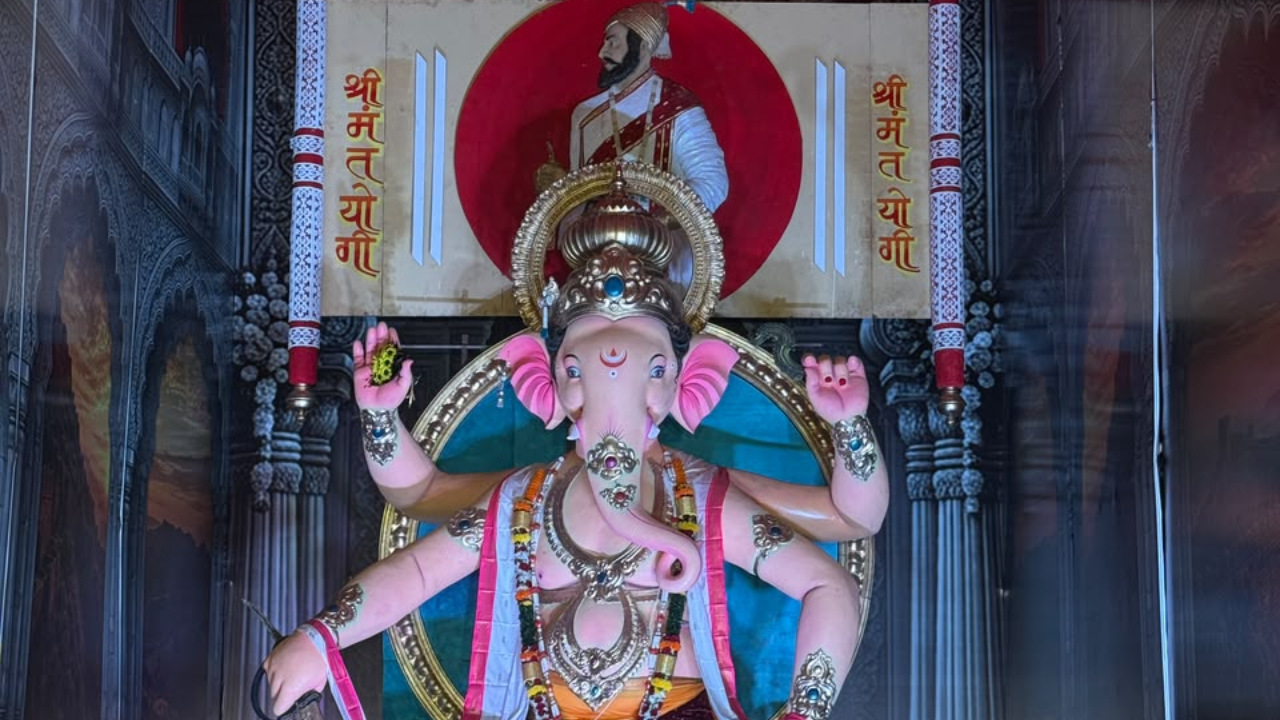
The annual rhythm of Maharashtra during festive periods has long been defined by the mass immersion of plaster deities into natural water bodies, a practice that leaves heavy chemical and particulate loads in local rivers and lakes. By choosing to commission a durable fibre sculpture that remains intact year after year, organizers have introduced a structural shift in how community devotion interfaces with municipal ecology. This voluntary pivot challenges the deep-seated assumption that ritual authenticity requires physical dissolution. Local administrative bodies have watched the experiment with cautious optimism, balancing traditional religious sentiments against mounting environmental degradation charges. Conservative community factions initially resisted the administrative nudge toward material substitution, arguing that the sacred lifecycle of an icon demands its return to the elements. Yet the pragmatic reality of choking urban waterways eventually forced a compromise among community elders. The downstream outcome is a burgeoning market for sustainable liturgical art across western India, empowering regional artisans to retool their workshops for composite materials. Municipal authorities anticipate a measurable drop in heavy metal sediment during upcoming post-festival cleanup operations, offering a viable blueprint for other districts seeking to reconcile faith with urban survival.
Comments 0