Ecological Vulnerability and Legislative Clash over Environmental Governance in Karnataka
The Karnataka legislative assembly prepares for a sharp political confrontation regarding persistent regional drought conditions and the implementation of the Kasturirangan panel report. Lawmakers remain deeply divided over environmental conservation mandates versus local developmental pressures in the Western Ghats.
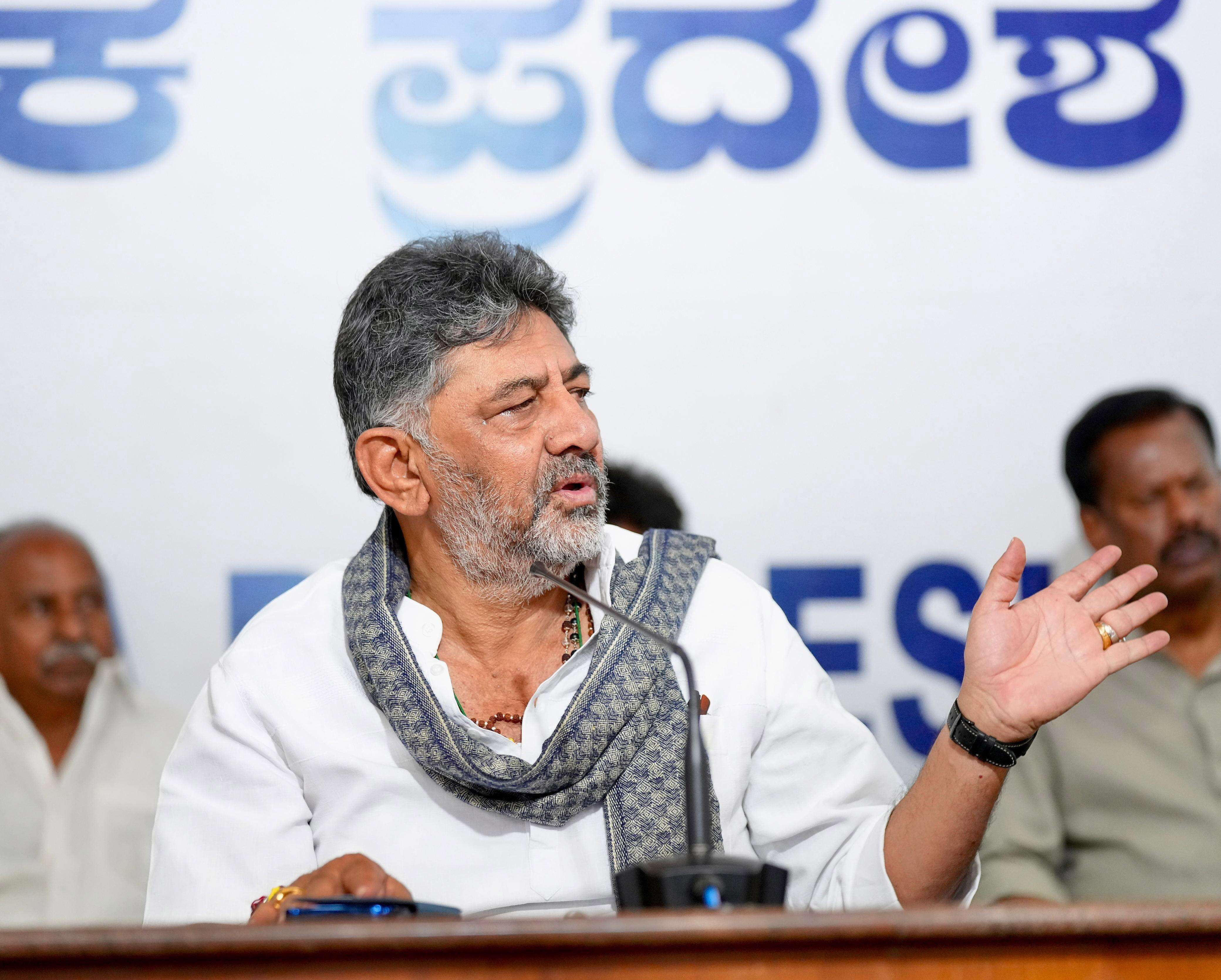
The impending legislative showdown brings long-standing tensions between ecological preservation and rural livelihood security to the forefront of state politics. Opposition factions are mobilizing agrarian grievances stemming from acute water scarcity to challenge the ruling administration's policy posture. At the heart of the dispute lies the contested Kasturirangan committee recommendations, which propose stringent environmental restrictions across ecologically sensitive zones. State policymakers face immense friction between central environmental directives and local economic demands from plantation owners and agrarian communities. Implementing strict land-use regulations risks alienating critical rural constituencies ahead of upcoming electoral cycles, yet ignoring conservation protocols courts environmental catastrophe. This structural dilemma paralyzes effective water resource management and long-term climate adaptation planning across the plateau. The upcoming legislative debate will likely result in a heavily diluted compromise policy that defers difficult ecological decisions to local bureaucratic committees. Such delays leave vulnerable farming populations exposed to recurring hydrological shocks while failing to establish durable environmental safeguards for the river basins. The broader institutional failure highlights the recurring cost of subordinating long-term ecological survival to short-term political expediency.
Comments 0