Electoral Rolls and Judicial Scrutiny: Ninety-Three Percent of Deleted West Bengal Voters Win Appeals
The Election Commission informed the Supreme Court that an overwhelming majority of voters who successfully challenged their exclusion from West Bengal rolls won their appeals. However, regulators maintained that these administrative omissions ultimately did not alter past legislative assembly outcomes.
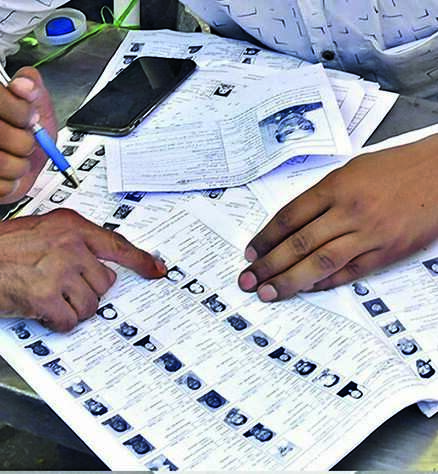
The intersection of mass voter roll purges and judicial oversight came under intense scrutiny as the Election Commission presented a detailed compliance report to the Supreme Court. Across various constituencies in West Bengal, millions of entries had faced administrative erasure during systematic revision exercises. When affected citizens pursued legal recourse through statutory appeals, an astonishing ninety-three percent successfully overturned their disenfranchisement and proved their eligibility to participate in democratic processes. This high success rate exposed deep institutional friction between local electoral machinery and the fundamental constitutional rights of citizens. Critics and civil rights advocates argued that the sheer volume of erroneous deletions pointed toward systemic administrative failure or deliberate disenfranchisement. Meanwhile, election officials defended their procedural integrity, asserting that the purges were designed strictly to eliminate duplicate or ineligible records rather than target specific demographic cohorts. Despite the vindication of thousands of voters in appellate tribunals, the immediate downstream casualty remains public trust in institutional gatekeeping. The regulatory assertion that these administrative errors did not influence overall electoral outcomes offers cold comfort to individuals who faced arbitrary exclusion from the ballot box. Legal experts warn that unless the Election Commission overhauls its verification protocols, future electoral cycles will continue to be plagued by similar constitutional friction and protracted litigation.
Comments 0