End of UDAN Subsidies Leaves Regional Airports Stranded
The cessation of central subsidies under the UDAN scheme has left dozens of regional airfields grappling with financial shortfalls and dwindling flight schedules. Operators fear a rapid erosion of connectivity for smaller towns across India.
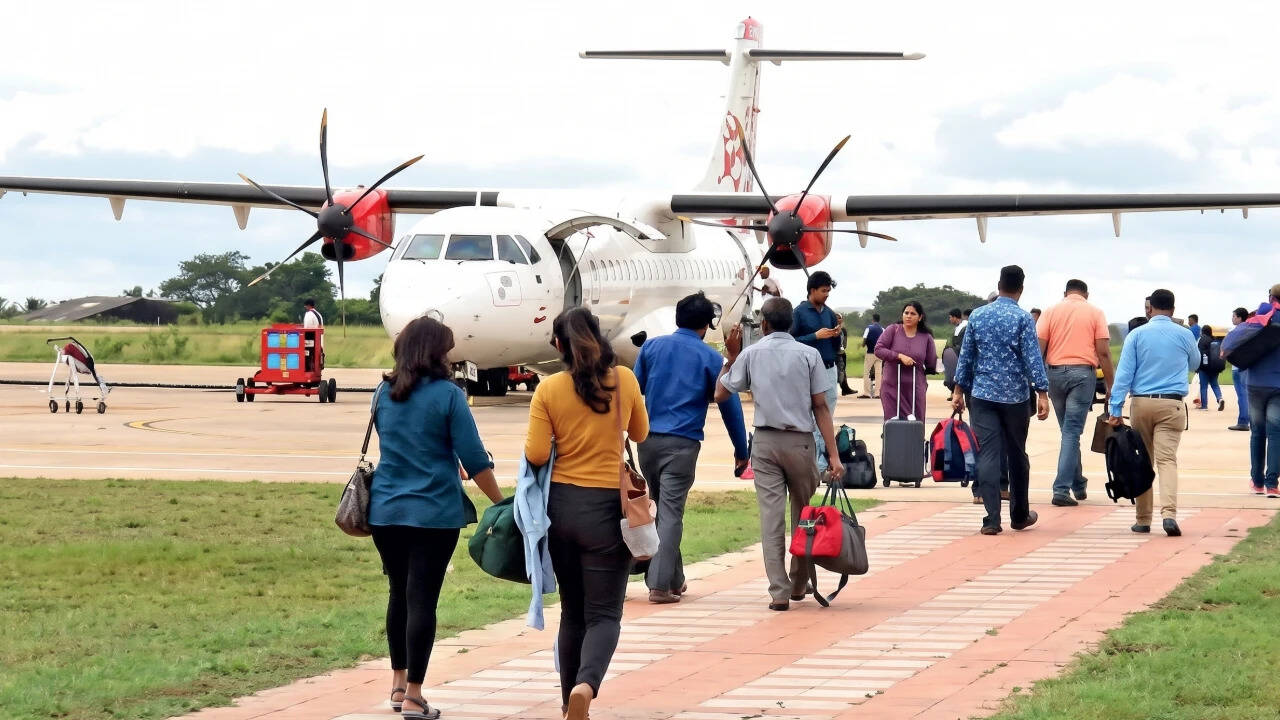
When the Union Ministry announced the termination of the UDAN (Ude Desh Ka Aam Naagrik) subsidies, regional airports in states such as Gujarat, Madhya Pradesh, and the Northeast were thrust into an immediate fiscal crisis. Airlines that had previously relied on government support to operate low‑fare routes found their cost structures unsustainable, leading to the cancellation of several daily flights and the grounding of aircraft that served remote destinations. Airport authorities reported a sharp decline in passenger footfall, with ancillary services such as catering and ground handling experiencing revenue contractions that threaten their operational viability.
The policy shift reflects a broader recalibration of the government’s aviation priorities, moving away from universal service obligations toward a market‑driven model that favours high‑traffic corridors. Critics argue that the withdrawal undermines the original intent of UDAN, which was to democratise air travel and stimulate economic activity in under‑served regions. Industry analysts warn that without a replacement mechanism, airlines may consolidate routes to major hubs, leaving peripheral towns dependent on costly road or rail alternatives. The financial strain also raises questions about the future of public‑private partnerships that were forged under the subsidy regime.
Local business communities have voiced alarm, noting that reduced air links could hamper tourism, delay cargo shipments, and deter investment in peripheral industrial zones. In response, several state governments are exploring ad‑hoc grant schemes to bridge the funding gap, while some airlines are negotiating with the central authority for transitional assistance. The unfolding scenario may set a precedent for how India balances regional development goals with fiscal prudence, potentially reshaping the architecture of domestic aviation for years to come.
Comments 0