Energy Security Fracture: India Sheds Millions of Cooking Gas Users as Gulf Supplies Sever
Geopolitical conflict in West Asia has directly ruptured India domestic energy retail, forcing state oil distributors to abandon millions of connections. The sudden contraction reverses a decade of subsidized household distribution expansion.
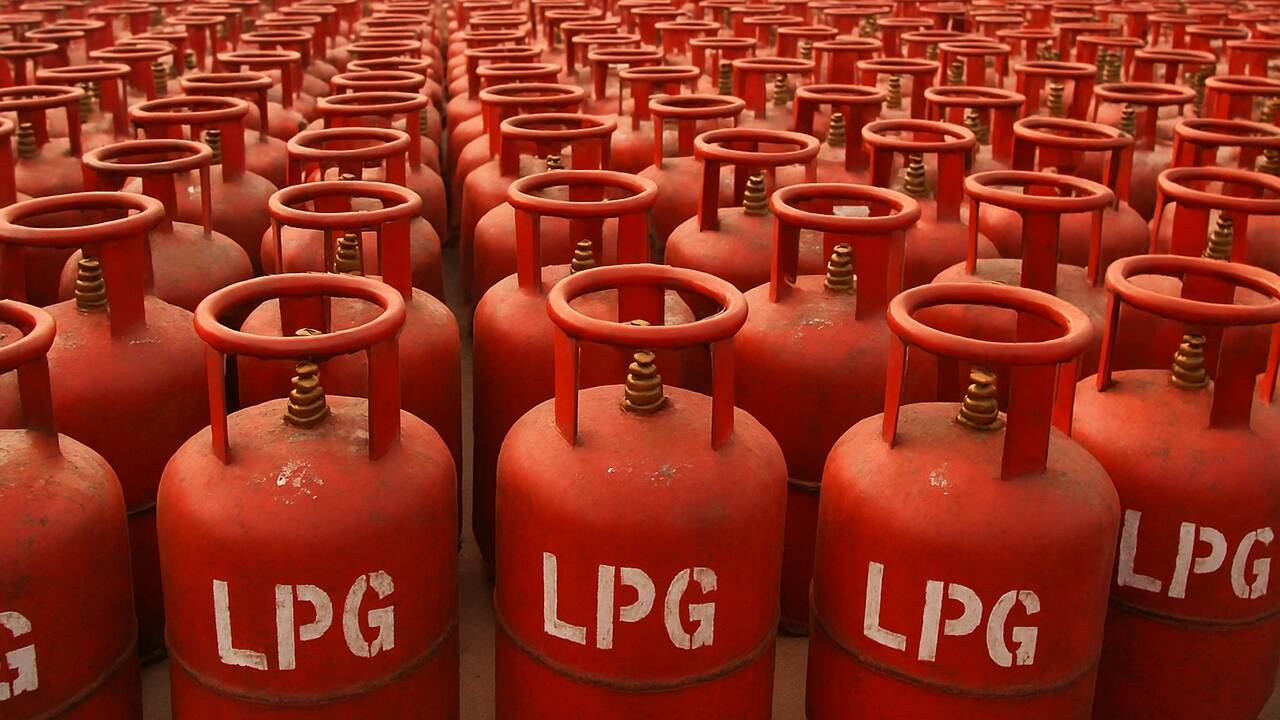
The structural fragility of South Asian energy supply chains stood exposed as state-backed petroleum distributors abruptly curtailed millions of active liquefied petroleum gas connections. Driven by military hostilities involving Iran and critical shipping bottlenecks across the Persian Gulf, the domestic market suffered an immediate contraction of over six million registered consumers. For years, state policy focused aggressively on rural and urban household penetration, replacing traditional biomass fuels with pressurized gas cylinders. This aggressive downward correction halts a decade of steady socioeconomic inclusion. Behind the retail disruption lies a compounding fiscal and logistical vulnerability. Indian refining conglomerates rely heavily on maritime corridors originating in the Gulf region to satisfy domestic household demand. When geopolitical hostilities choke those primary maritime arteries, state-owned enterprises face an immediate triage scenario: prioritize industrial feedstock or maintain household allocations. The decision to halt fresh connections and purge inactive rosters reveals the acute limits of strategic petroleum reserves when confronted with protracted regional warfare. Downstream, the institutional retreat carries severe human and political tolls. Millions of families pushed toward cleaner cooking fuels face forced reversion to hazardous wood and kerosene alternatives, eroding public health gains achieved over the past ten years. Simultaneously, retail distributors and local franchise owners face severe revenue losses, creating a localized liquidity squeeze across semi-urban and rural distribution networks.
Comments 0