Enforcement Agency Summons Kerala Chief Minister in Money Laundering Probe
The Enforcement Directorate has issued a formal summons to Pinarayi Vijayan, the Chief Minister of Kerala, in connection with an alleged money laundering case. This move signals a significant escalation in the legal and political confrontation surrounding the state's leadership.
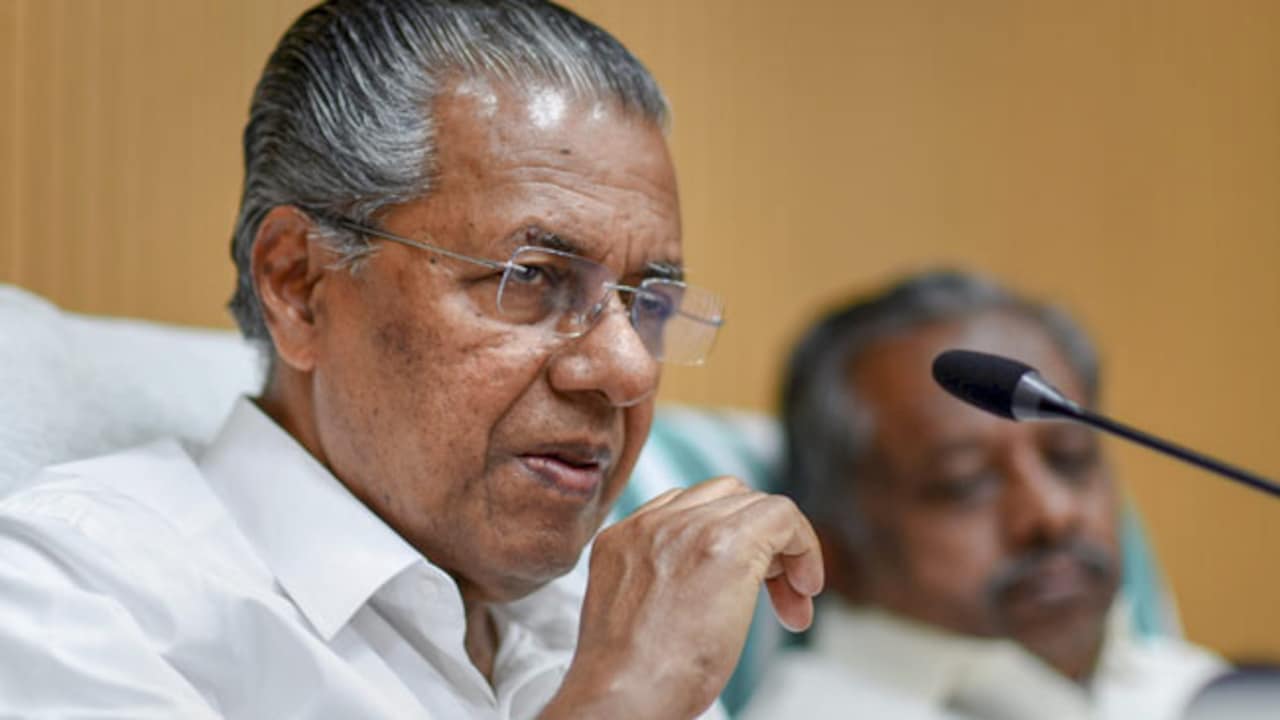
The Enforcement Directorate, India's premier financial crime investigation agency, has summoned Pinarayi Vijayan, the Chief Minister of Kerala, to answer questions in a case alleging money laundering. This summons follows the registration of two First Information Reports by the Keralam Vigilance and Anti-Corruption Bureau against Vijayan and members of his family. The allegations are linked to a bribery case involving the Cochin Metro Rail Limited, a project of considerable scale and public interest in the state. The involvement of the top state executive in a federal financial probe marks a serious rupture in the political order of Kerala.
The underlying tension in this matter reflects the deepening friction between state-level political power and central investigative agencies. The VACB's initial FIRs suggest a long-standing internal investigation that has now attracted the attention of the central government's anti-corruption machinery. This dual-track approach, involving both state vigilance and federal enforcement, indicates that the case has moved beyond local political disputes into the realm of national legal scrutiny. The institutional friction is palpable, as the state government is likely to view this as an overreach, while the central agencies assert their jurisdiction over financial crimes that cross state boundaries.
The downstream consequences of this summons are already tangible, with the Chief Minister's political capital being tested by the mere act of being summoned. The case has the potential to destabilize the ruling coalition in Kerala, forcing a realignment of political alliances and public opinion. For the victims of alleged corruption, this probe represents a potential avenue for justice, but for the political establishment, it is a direct challenge to their authority. The next few months will determine whether this case becomes a defining moment for accountability in Indian politics or a further example of political weaponization of legal tools.
Comments 0