Escalating Fuel Tariffs Push Neighboring South Asian Economy Toward Severe Energy Paralysis
Petroleum prices reached unprecedented highs as federal administrators admitted to impending nationwide energy shortages. Cabinet ministers warned of systemic distribution failures unless immediate emergency fiscal measures are adopted.
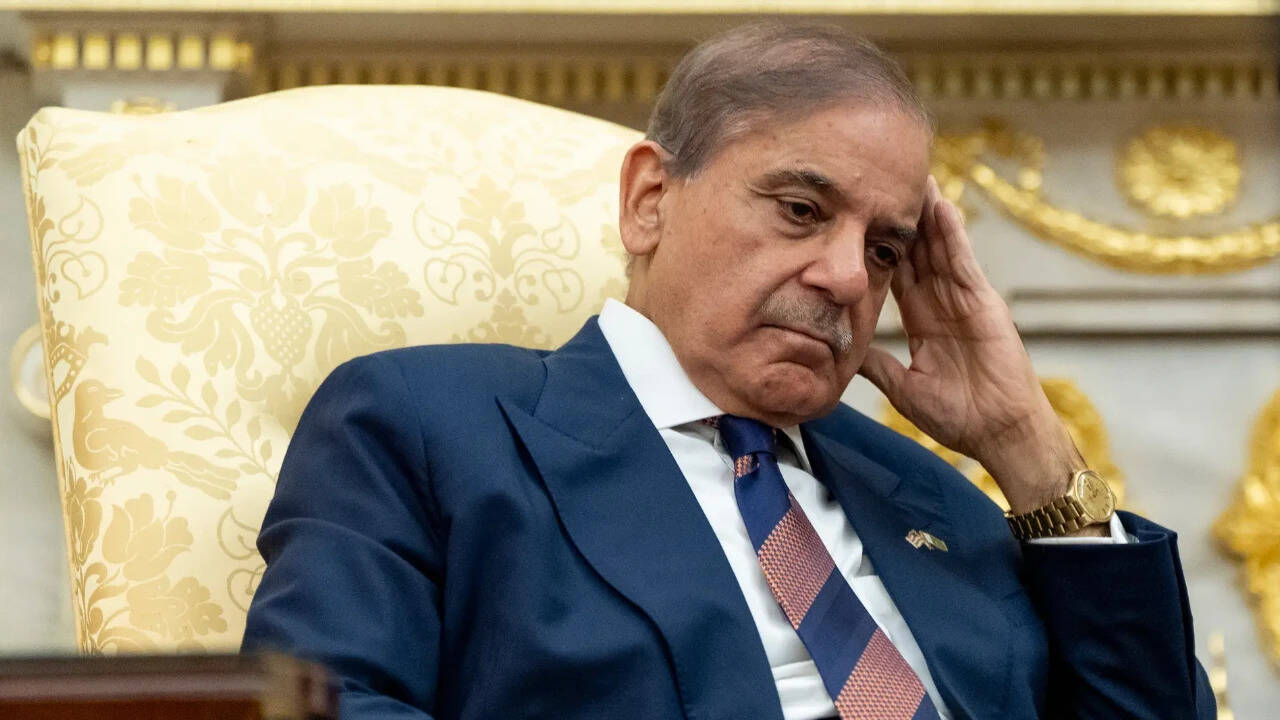
Economic administrators in Islamabad confronted an acute structural crisis as domestic petroleum prices breached historic ceilings, triggering widespread public transport strikes and industrial slowdowns. Senior cabinet officials publicly acknowledged that foreign exchange reserves remain insufficient to sustain uninterrupted fuel imports. The shortfall threatens to paralyze power generation plants, agricultural irrigation pumps, and urban transit networks simultaneously. This crisis is the culmination of years of structural fiscal mismanagement, delayed structural reforms, and debilitating international debt servicing obligations. State-owned energy enterprises remain paralyzed by circular debt, rendering them incapable of procuring crude cargoes on international spot markets without sovereign guarantees. International lenders continue to condition emergency financial lifelines on politically toxic subsidy removals, leaving executive leadership trapped between popular revolt and national bankruptcy. The immediate social casualties include the urban working class and small manufacturing enterprises unable to absorb compounding transportation overheads. As rolling blackouts and fuel rationing take effect, economic output across export-oriented manufacturing sectors will contract severely. The sovereign entity faces an inevitable restructuring of its domestic energy pricing architecture under the strict supervision of international financial institutions.
Comments 0