Escalation Above Riyadh as Houthi Drone Strike Pierces Saudi Air Defenses
A coordinated wave of ballistic missiles and explosive drones launched by Houthi forces targeted the Saudi capital, sending thick plumes of smoke billowing near Riyadh international airport. While regional air defense systems intercepted the bulk of the aerial offensive, the breach triggered emergency protocol suspensions across commercial flight corridors.
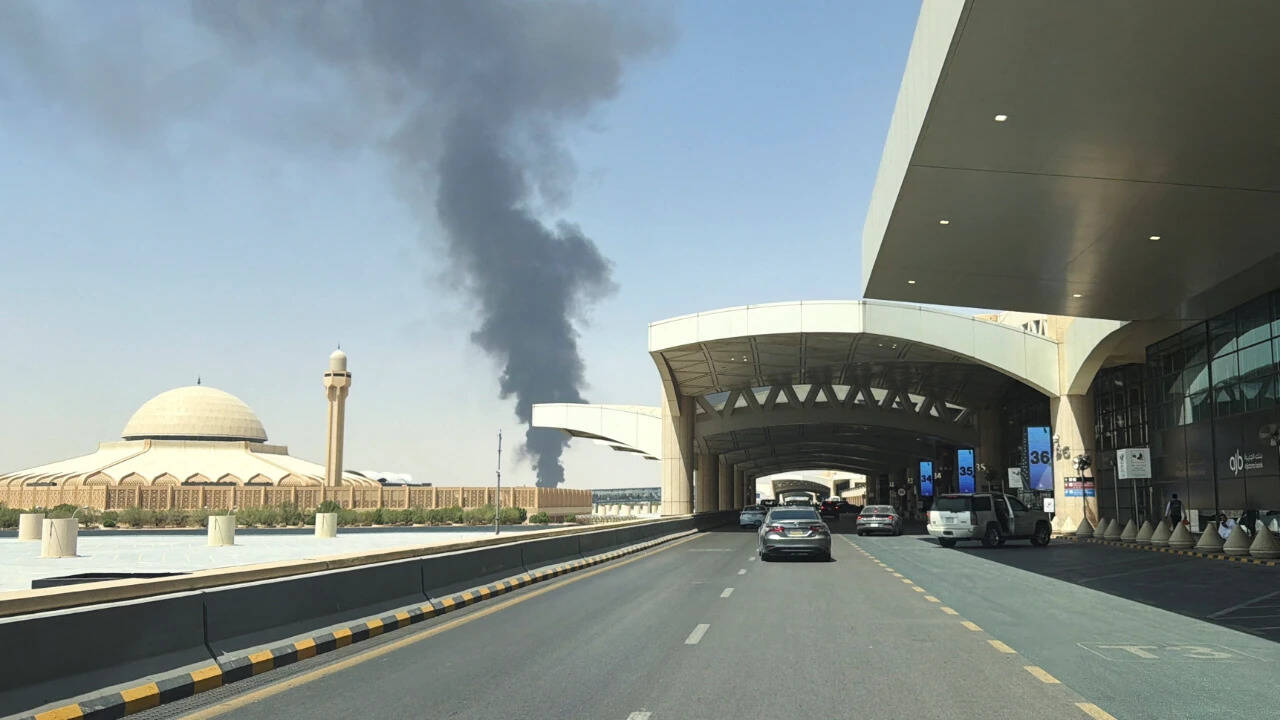
The morning silence across the Saudi Arabian capital was shattered by consecutive concussive blasts that rattled glass facades and sent panicked residents into subterranean shelters. Official state channels confirmed that the aerial assault, originating from southern conflict zones, deployed sophisticated loitering munitions designed to test radar thresholds. The immediate proximity of the detonations to core civilian infrastructure signaled a marked evolution in tactical payload delivery and target selection. For months, diplomatic channels had attempted to sustain a fragile regional ceasefire, maintaining the illusion of stability across the Arabian Peninsula. Yet, the persistence of cross-border armament networks rendered those diplomatic frameworks increasingly tenuous. Security analysts point to persistent intelligence gaps and sophisticated supply chains that continue to funnel advanced propulsion technology to non-state actors operating along the southern periphery, defying international arms embargoes. The resulting fallout extends far beyond temporary aviation delays, casting a long shadow over ongoing economic diversification projects dependent on uninterrupted foreign investment. Insurance syndicates immediately adjusted regional risk premiums, while foreign ministries issued urgent travel advisories for expatriates residing within the municipal boundaries. This kinetic rupture demonstrates the fragility of Gulf security architectures against asymmetrical air attacks.
Comments 0