Escalation Dynamics in the Persian Gulf
Tehran has issued direct warnings of severe retaliation following intelligence reports of potential American military operations. Simultaneously, Washington has renewed hardline rhetoric regarding the security architecture of the region.
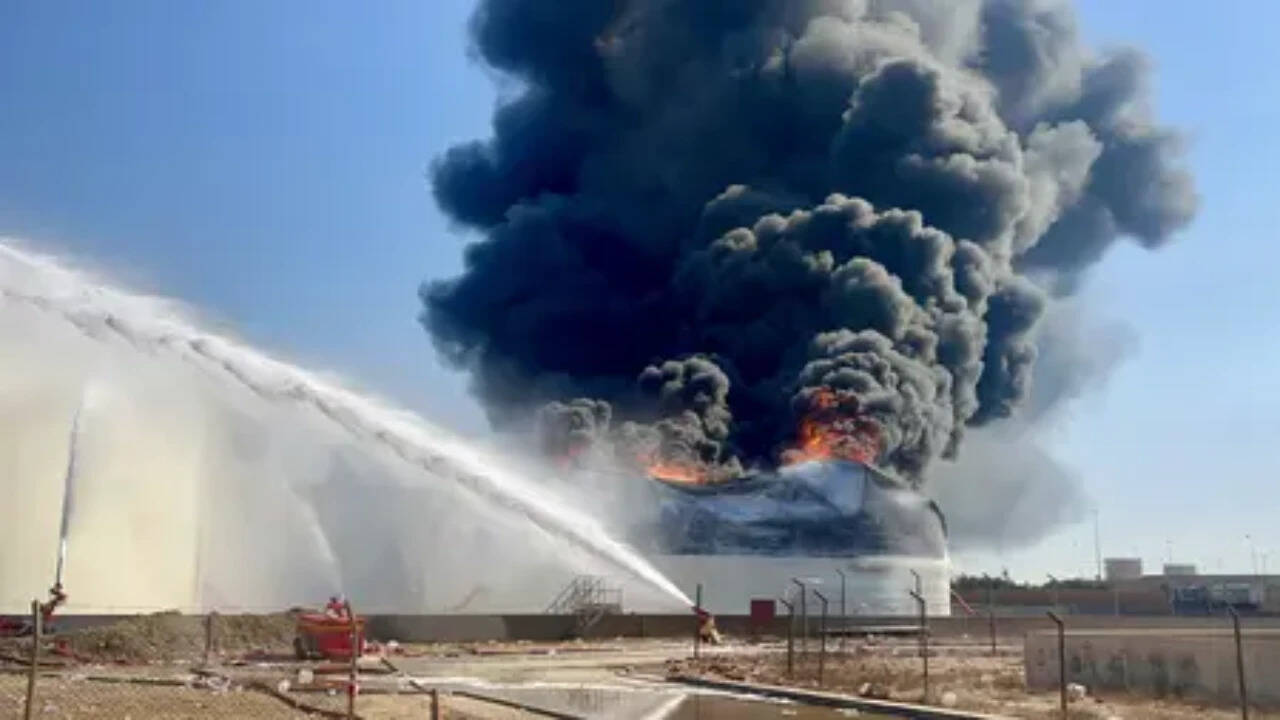
Diplomatic channels between Western capitals and the Iranian administration have deteriorated sharply following leaked strategic assessments concerning prospective kinetic strikes. Military commanders in Tehran have placed regional naval and missile assets on heightened operational readiness. State statements emphasize that any hostile incursions will trigger immediate asymmetric responses across maritime supply lanes and allied infrastructure. The standoff exposes deep structural vulnerabilities within regional security pacts and energy transit corridors. Regional intermediaries have struggled to open meaningful dialogue as domestic political pressures in both capitals restrict diplomatic flexibility. Intelligence agencies on both sides are operating under zero-sum assumptions, drastically narrowing the margin for error during maritime patrols in the Strait of Hormuz. The tangible outcome of this diplomatic rupture is an immediate spike in marine insurance premiums and heightened volatility in energy markets. Downstream commercial shipping companies are actively rerouting vessels away from high-risk zones, driving up transit costs. This economic friction threatens to induce inflationary shocks across global supply chains long before any actual military engagement occurs.
Comments 0