European airlines confront wave of bomb threats after week of hoaxes
A series of false bomb warnings forced several flights across Europe to divert or cancel, prompting heightened security protocols at major airports. Authorities have linked the incidents to coordinated attempts to disrupt air travel during a period of heightened geopolitical tension.
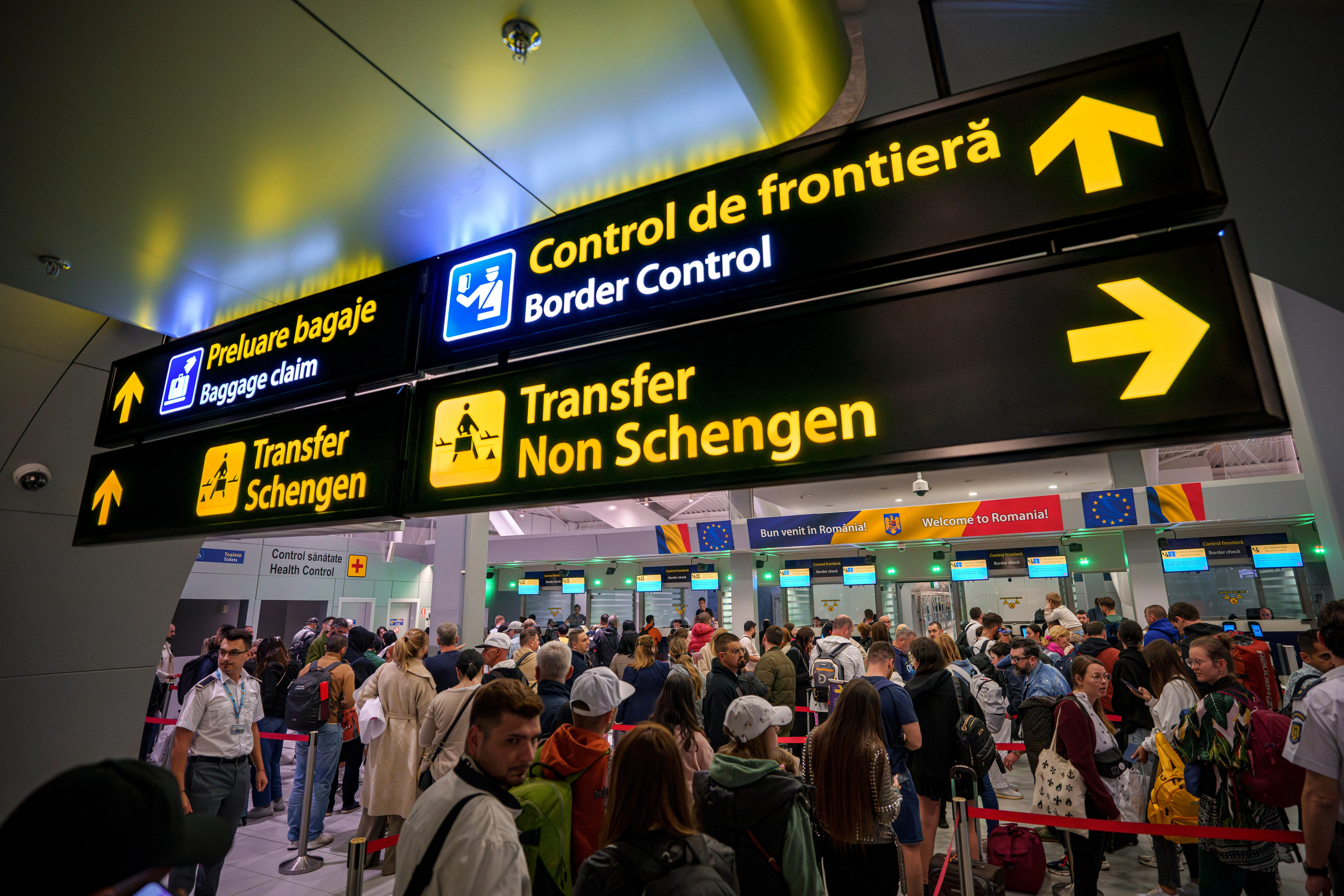
During a turbulent week, aviation authorities across Europe received a spate of bomb threats that proved to be hoaxes, compelling airlines to reroute or suspend flights on short notice. The false alerts triggered emergency evacuations, ground stops, and the deployment of bomb‑squad units at airports in multiple countries, leading to significant passenger inconvenience and operational costs. Officials reported that the threats were delivered via anonymous phone calls and digital messages, creating a climate of uncertainty that forced airlines to adopt precautionary measures even in the absence of credible evidence.
The underlying tension appears to be rooted in a broader pattern of disruptive activities aimed at exploiting the vulnerability of air travel networks. Security experts suggest that the timing of the hoaxes coincides with heightened diplomatic disputes and domestic unrest in several European states, raising the possibility that the threats are intended to amplify public anxiety and pressure governments into tightening security legislation. The incidents have also sparked debate within the aviation industry about the balance between rapid response to potential dangers and the risk of normalising over‑reaction to unverified claims.
In the aftermath, European regulators are expected to introduce more stringent verification protocols for threat assessments, potentially mandating additional passenger screening steps and investing in advanced threat‑detection technologies. Airlines may face higher insurance premiums and operational delays, while passengers could experience longer wait times and increased scrutiny at checkpoints. The cumulative effect is likely to reshape the cost structure of European air travel and influence policy discussions on aviation security for the coming year.
Comments 0