European Union Delays Methane Rules By Two Years Amid Energy Supply Fears
The European Parliament and member states have agreed to postpone stringent methane emissions regulations by two years. This policy retreat comes under intense pressure from primary energy exporters like the United States and ongoing vulnerabilities in global fuel markets.
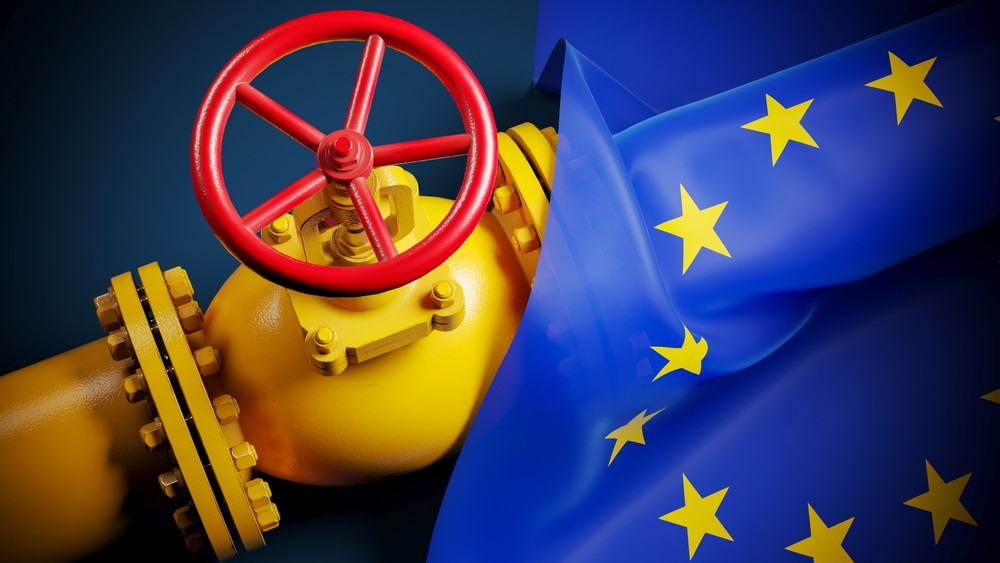
The regulatory framework, designed to curb potent greenhouse gas emissions across fossil fuel supply chains operating within and outside the union, encountered formidable diplomatic and economic resistance. Major international suppliers warned that immediate compliance mandates would exacerbate existing shortages and inflate energy costs for European industrial consumers. Policymakers in Brussels faced a difficult compromise between accelerating climate commitments and ensuring immediate energy security in the wake of prolonged geopolitical disruptions affecting natural gas routes.
The underlying conflict exposes the enduring fragility of global energy markets when confronted with aggressive environmental mandates. While climate advocates argued that delaying methane curbs undermines global net zero targets, industrial lobbies and foreign trade partners successfully demonstrated that sudden regulatory shocks risk supply strangulation. The European Union executive branch had to weigh the diplomatic fallout of imposing extraterritorial standards against the immediate domestic imperative of keeping heating and electricity affordable for its citizenry.
The two year extension grants energy conglomerates and international exporters a vital window to upgrade leak detection and repair infrastructure without facing immediate punitive tariffs. For consumers, the decision averts a potential spike in gas prices that could have rippled through manufacturing sectors. Ultimately, the postponement underscores the persistent supremacy of short term energy security over long term ecological ideals during periods of macroeconomic distress.
Comments 0