Executive Wealth Paradox Deepens as US Administration Backs Legislative Trading Ban
President Donald Trump endorsed prohibitions on stock trading by congressional lawmakers while maintaining a personal securities portfolio that outpaced legislative volume. The stance highlights persistent ethical double standards in federal governance.
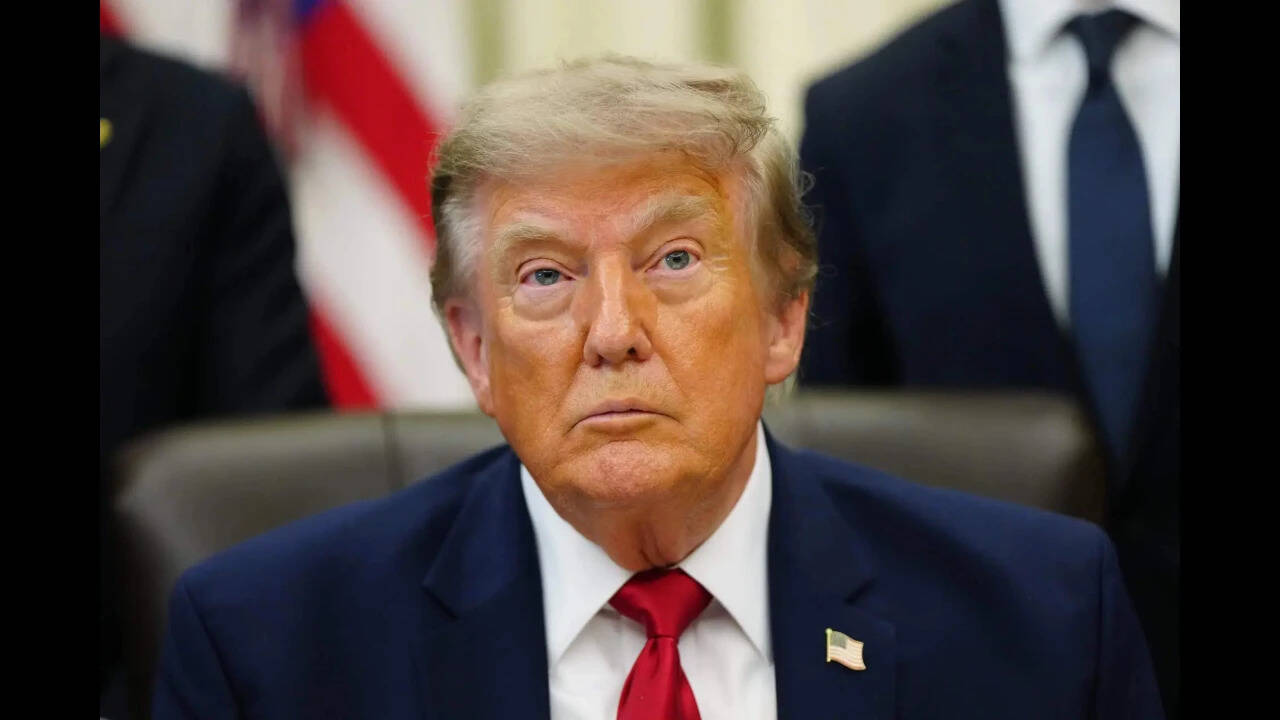
The debate over insider trading and public office intensified after the executive branch threw its weight behind proposals to bar members of Congress from active securities trading. The endorsement contrasts sharply with disclosures revealing that the executive himself engaged in extensive market transactions exceeding the combined volume of entire legislative committees. This dynamic has reignited fierce discussions regarding conflicts of interest at the highest levels of state. Watchdog organizations and congressional critics pointed out the asymmetry of applying ethical restrictions exclusively to the legislative branch while exempting the presidency. Defenders of the administration argue that executive assets are managed under distinct statutory frameworks, though transparency advocates remain skeptical. The legislative debate has divided parties, with rank-and-file lawmakers resisting restrictions that curtail their personal investment opportunities. The immediate aftermath will likely produce symbolic congressional reforms that spare executive portfolios from direct oversight. Public cynicism regarding the financial motivations of elected officials will deepen. Institutional trust in market-regulating bodies will face renewed skepticism as citizens scrutinize the timing of federal policy announcements against private trading records.
Comments 0