External Affairs Minister Warns Against Weaponised Energy at G20 Summit
India's top diplomat declared that politicised energy flows undermine global stability and urged diversified supply chains. The statement signals New Delhi's hardening stance against resource coercion in an era of fractured geopolitics.
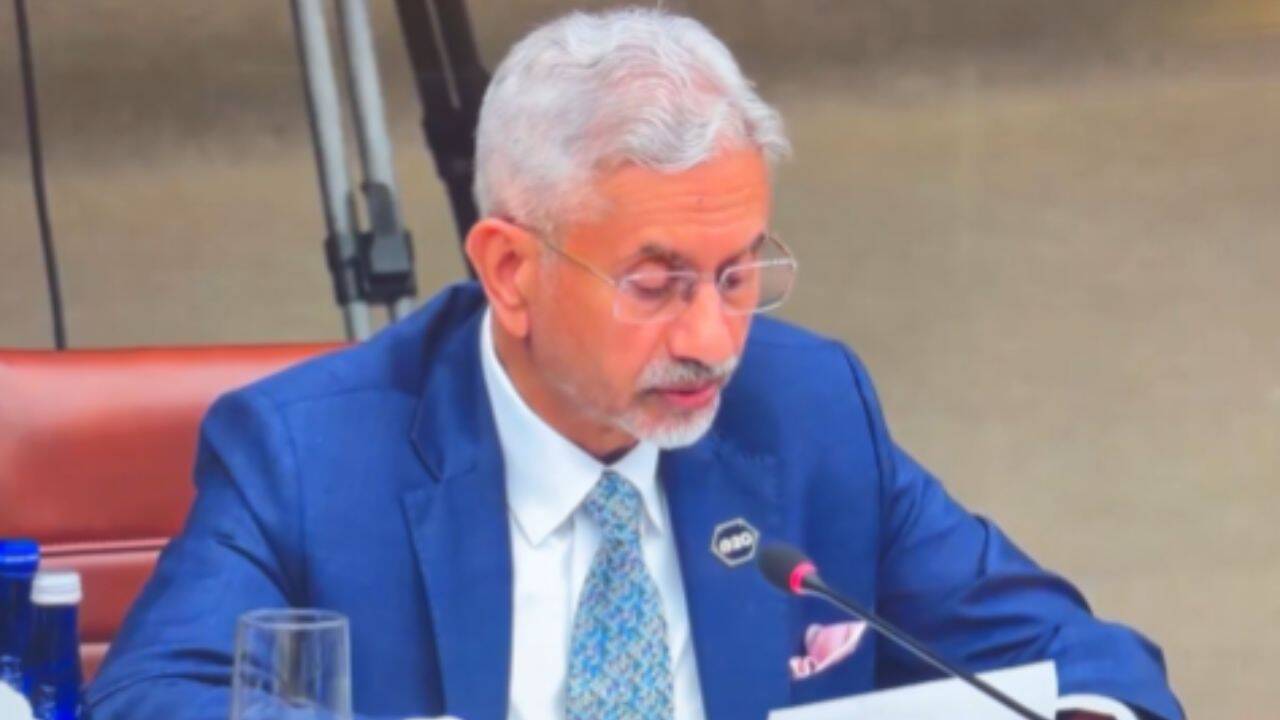
At the G20 gathering the External Affairs Minister articulated a doctrine that treats energy security as inseparable from strategic autonomy. He argued that when hydrocarbon and renewable corridors become instruments of leverage the international order frays at its most vulnerable seams. The address framed diversification not as a commercial preference but as a sovereign imperative that shields developing economies from abrupt supply shocks.
The rhetoric reflects a deeper friction between the established architecture of energy governance and the emerging multipolar contest for critical minerals and transit routes. Western sanctions regimes and producer cartels alike have demonstrated the capacity to reroute flows for political ends leaving import dependent nations exposed. India's own experience with payment mechanisms and shipping insurance during recent crises has sharpened the conviction that resilience requires redundant pathways and regional compacts.
The practical consequence will be accelerated diplomacy toward new pipeline agreements expanded strategic reserves and technology transfers that reduce reliance on single chokepoints. Domestic producers gain policy tailwinds for exploration while state owned enterprises receive mandates to acquire equity stakes abroad. The minister's formulation repositions energy diplomacy from reactive procurement to proactive statecraft with measurable effects on trade balances and defence partnerships within twelve months.
Comments 0