Federal Sites Without Stronger Protection Raise the Cost of Public Exposure
A Senate warning says hundreds of federal websites may lack a key defense against spying, with affected services including FBI tips, intelligence job applications and the Veterans Crisis Line. The disclosure exposes public institutions to surveillance risks and places pressure on agencies to secure the digital gateways through which citizens seek help and information.
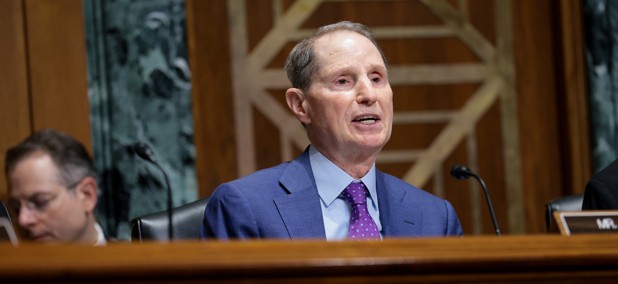
A warning that hundreds of federal websites may lack a key defense against spying has turned an invisible security weakness into a public institutional concern. Among the named services are FBI tips, intelligence job applications and the Veterans Crisis Line, systems that handle information, applications and requests for assistance. Their inclusion raises the stakes because compromise or surveillance would affect not only government employees but also members of the public who have no practical alternative to using them.
The tension lies in the uneven protection of the public digital estate. Federal agencies depend on software, certificates, access controls and technical practices that must be updated as methods of intrusion and interception change. A gap at one service can be treated as an administrative defect, but hundreds of possible gaps suggest a failure of consistent enforcement. Agencies focused on their own missions may lack the shared authority, budget or expertise to maintain protection across every public address.
The downstream consequences will be borne by citizens whose sensitive communications traverse these services, and by agencies that may face greater scrutiny after a breach. Contractors and technology suppliers may face pressure to improve protection, while agencies may be compelled to audit domains and retire insecure systems. If the warning leads to remediation, the result will be a more secure but potentially more cumbersome public infrastructure. If it does not, exposed sites will remain inexpensive channels through which adversaries can gather intelligence and erode trust in federal institutions.
Comments 0