Finance Minister Clarifies Digital Payment Architecture Amid Growing Debate Over UPI Merchant Fees
Union Finance Minister Nirmala Sitharaman has clarified that government policy does not impose Merchant Discount Rates on UPI transactions. The statement resolves persistent market confusion regarding the financial mechanics of digital payments.
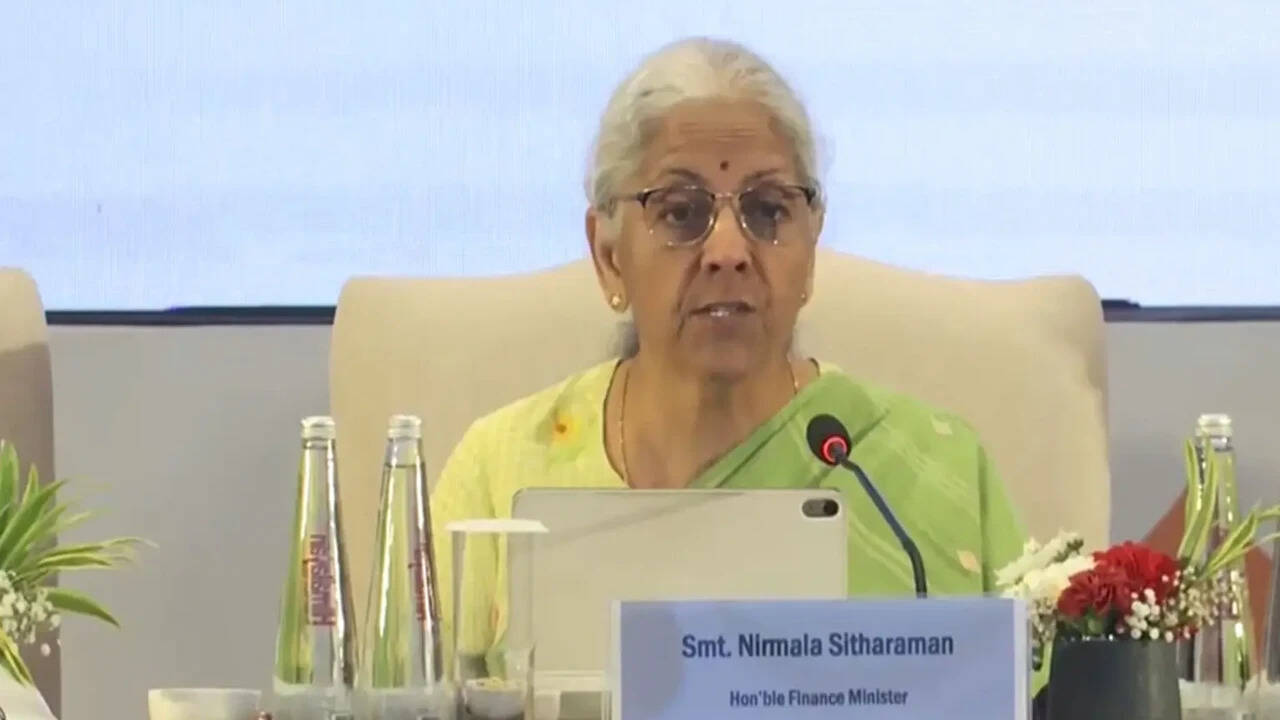
Union Finance Minister Nirmala Sitharaman addressed lingering public and commercial confusion regarding the financial architecture of the Unified Payments Interface, explicitly stating that transaction charges are not a government-levied imposition. The clarification addresses widespread debates among merchants and payment service providers regarding transaction monetization and processing sustainability. The fiscal authorities reiterated their commitment to maintaining zero consumer-facing fees for peer-to-peer and merchant payments. The underlying tension involves the financial viability of payment aggregators and banking institutions that shoulder the operational costs of maintaining massive digital transaction volumes without direct merchant discount revenues. While consumers and small vendors enjoy frictionless digital transfers, payment gateway providers and banks absorb significant infrastructure maintenance costs, leading to persistent lobbying for regulated merchant fees. The tangible outcome of this policy stance is the preservation of high digital adoption rates among small retail vendors across India. However, payment infrastructure providers will need to explore alternative monetization models, such as value-added financial services and merchant lending, to offset operational costs. Within twelve months, regulatory frameworks will likely introduce targeted incentive structures to compensate banks for heavy transaction processing loads.
Comments 0