Financial Misconduct Exposes Vulnerabilities Among High-Profile Investors
Athletic celebrity Travis Kelce emerged as a notable casualty in a multimillion-dollar Ponzi scheme with aggregate investor losses exceeding thirty-five million dollars. Financial regulators are currently auditing the fraudulent operation's intricate web of shell entities.
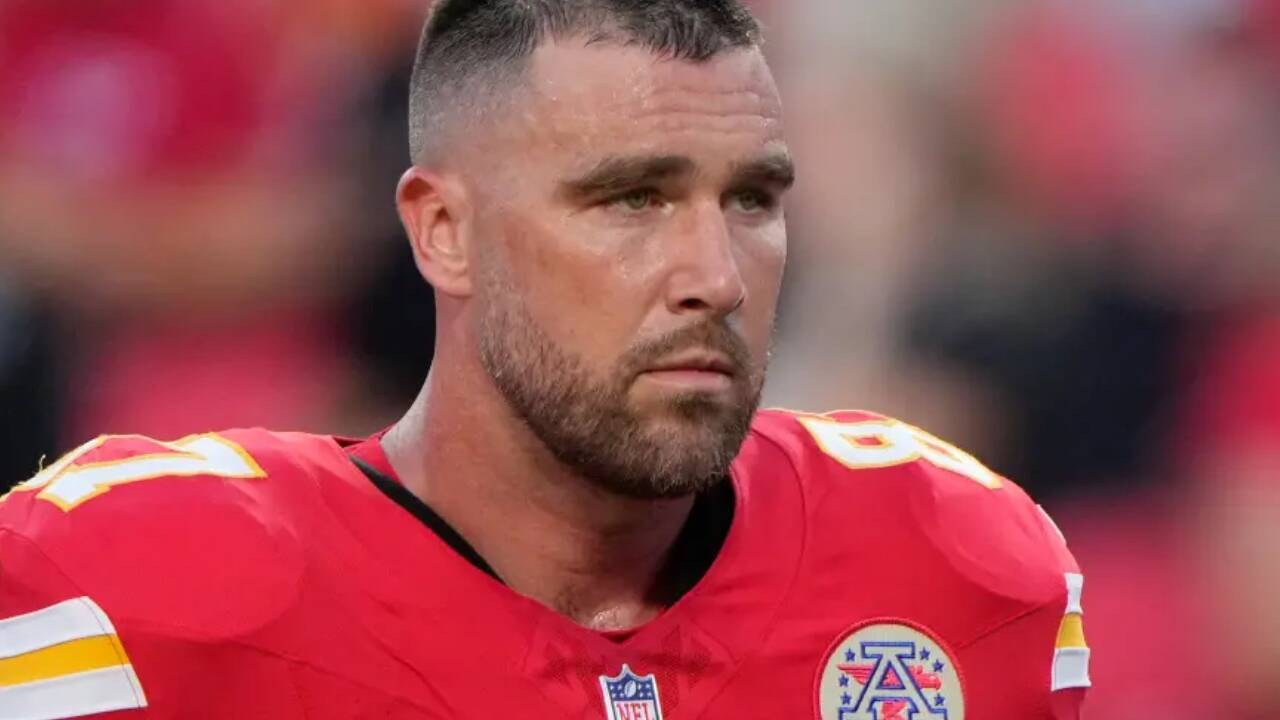
The disclosure that prominent sports figures fell victim to an elaborate financial fraud highlights the persistent vulnerability of high-net-worth individuals to sophisticated investment scams. Perpetrators of the scheme leveraged celebrity endorsements and fabricated asset portfolios to attract institutional and private capital. The collapse of the fund triggered immediate asset freezes by federal receivers attempting to salvage remaining liquidity for victims. This incident underscores systemic weaknesses in wealth management oversight, where aggressive yield-seeking behavior often bypasses rigorous due diligence protocols. Financial advisors and wealth managers face intense scrutiny regarding their role in funneling client funds into unregulated alternative investments. Regulatory bodies are under pressure to close loopholes that allow fraudulent private funds to operate without transparent auditing. The tangible outcome involves protracted litigation as victims attempt to recover principal through bankruptcy courts against insolvent entities. For the broader financial market, the scandal serves as a cautionary tale regarding the perils of celebrity-adjacent investment syndicates. Wealth management firms are rapidly overhauling their vetting procedures to protect high-profile clients from similar predatory schemes.
Comments 0