Fire at Mumbai Scrap Godown Leaves Two Dead and Six Injured
Two people were found charred and six others were injured after a fire at a scrap godown in Mumbai’s Sakinaka area. The casualties place industrial safety, informal storage practices and emergency response under renewed scrutiny in a district where dense economic activity frequently meets severe fire risk.
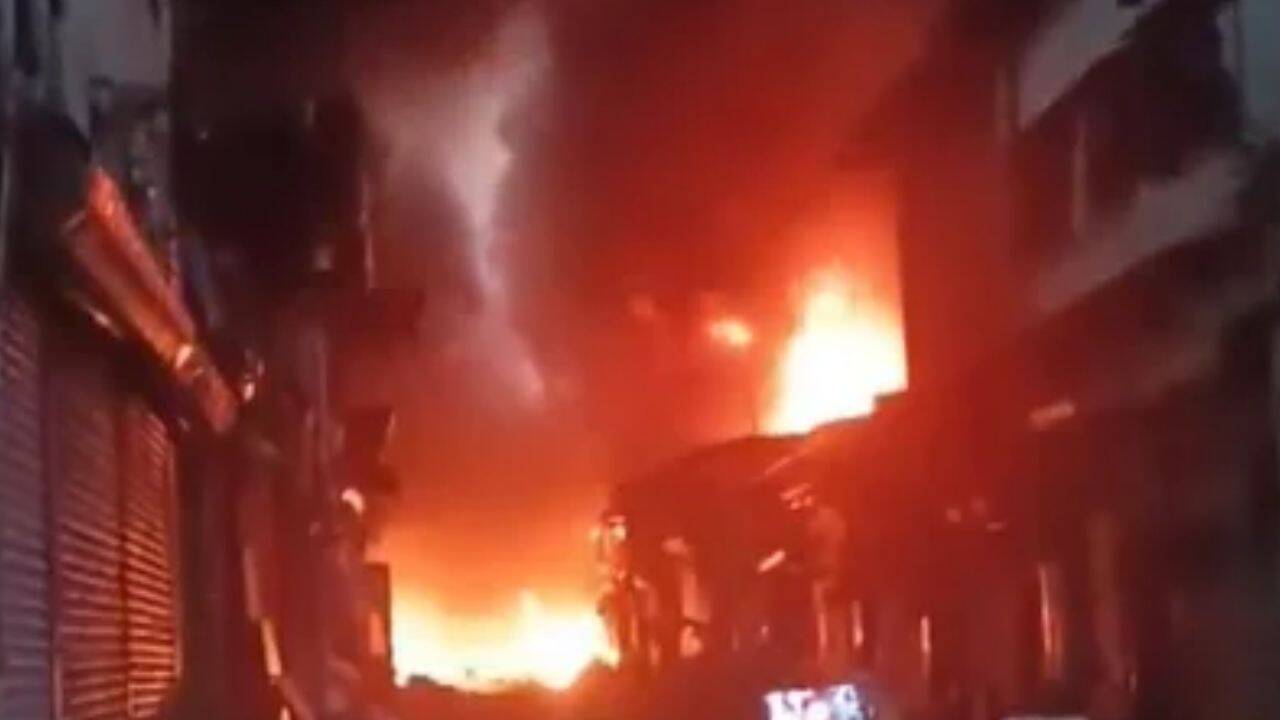
A fire at a scrap godown in Sakinaka, Mumbai, has left two people dead, their bodies reportedly charred, and has injured six others. The loss of life turns an industrial accident into a test of the safeguards surrounding combustible material, densely occupied workplaces and the speed with which emergency services can reach them. For workers, the immediate consequences are physical and profound, while for local authorities the disaster opens a wider accounting of inspections, licensing and enforcement.
Scrapyards are sites where commercial activity can outpace formal controls. Materials arrive in varied condition, storage practices may vary and businesses operating near one another can face risks that no single owner can manage. The danger becomes acute when inventory is combustible, workers are present at night or access is restricted. The underlying friction lies between the economic value of recycling and the public safety obligations attached to storage. Regulation must recognise that a licensed trade can still produce severe risks when supervision is weak or rules are treated as formalities rather than working controls.
The two dead and six injured constitute the immediate human cost, but the material outcome will be decided by the inquiry and enforcement response. Authorities will need to establish the source of the fire, whether safety provisions were observed and why the response to an industrial blaze in a congested area was insufficient. Workers and nearby residents will bear the disruption of inspections, while compliant businesses may face higher costs as standards tighten. If the inquiry identifies systemic neglect, the disaster could produce lasting changes in licensing, fire preparedness and accountability across Mumbai’s scrap trade.
Comments 0