Fiscal Paralysis: Regional Treasuries Squeezed by Stagnant Excise Revenues
A fresh budgetary analysis reveals that several Indian state governments face acute fiscal exposure due to extreme reliance on alcohol excise levies despite decelerating revenue growth. The widening deficit leaves state capitals with diminished capacity to fund essential infrastructure and social welfare obligations.
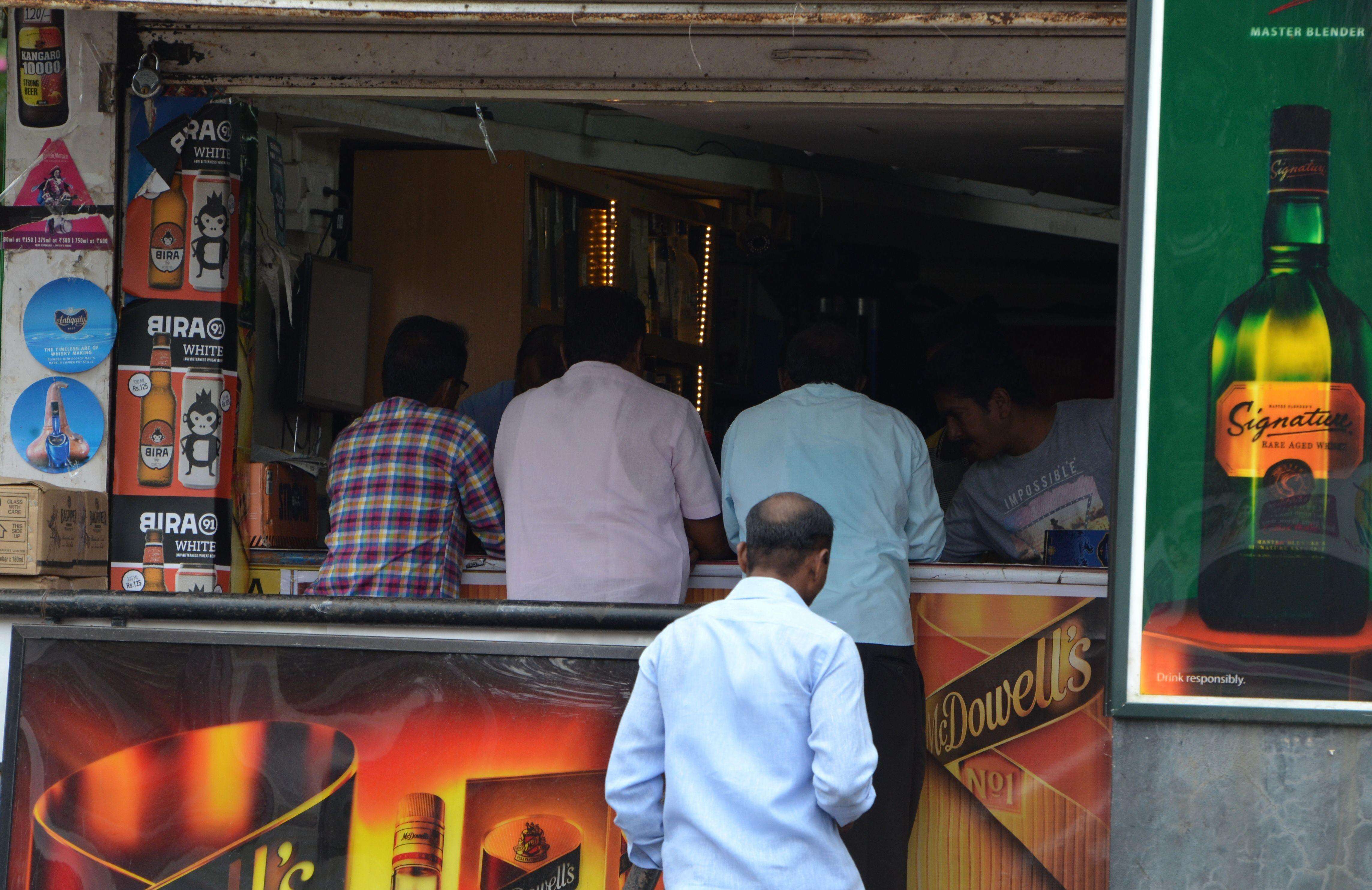
A stark financial evaluation of Indian state balance sheets highlighted a growing structural danger: regional treasuries are severely over-reliant on alcohol consumption taxes to fund routine public operations. Despite expanding state expenditures, growth in excise tax receipts has hit record lows across multiple state capitals. The resulting tax revenue plateau leaves state financial controllers facing widening budget deficits while straining essential civil service operations. The core institutional friction stems from a long-term economic contradiction. To satisfy mounting social welfare outlays and public infrastructure debt, state finance ministries routinely raise consumption taxes on alcoholic spirits. However, excessive taxation has triggered severe demand elasticity, fueling illicit liquor networks and cross-border smuggling while stunting formal market growth. Consequently, state treasuries have exhausted their single largest non-tax revenue lever. The primary victims of this fiscal ceiling are public capital investments, healthcare systems, and urban infrastructure works, which are systematically trimmed to meet non-discretionary payroll debt obligations. As state borrowing limits near federal statutory ceilings, regional governments will be forced to introduce politically unpopular tax measures on other basic economic activities or scale back public welfare commitments entirely.
Comments 0