Fiscal Paralysis Threatens Strategic Expansion as Space Force Halts Program Starts
Legislative gridlock has forced the United States Space Force to suspend all new program starts until December due to chronic funding delays. This budgetary impasse stalls orbital defense capabilities, leaving key procurement cycles and technological modernization efforts vulnerable to administrative inertia.
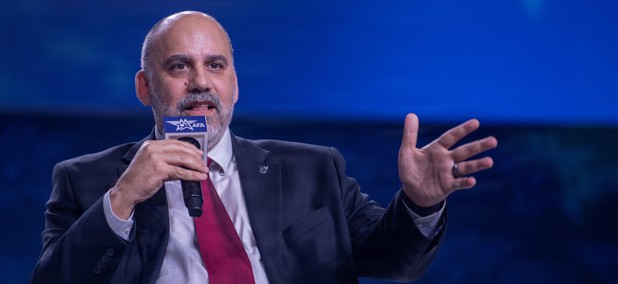
The contemporary architecture of military readiness relies heavily on predictable fiscal allocations, yet the modern legislative process continues to prioritize partisan maneuvering over institutional continuity. By forcing the Space Force to halt its fiscal 2027 program starts until at least December, lawmakers have injected severe friction into a branch designed explicitly for rapid response and orbital dominance. The absence of a stable budget forces defense contractors and internal command structures into a holding pattern, where multi-million dollar initiatives designed to secure satellite networks remain frozen on drawing boards. At the core of this delay lies a broader institutional failure within federal budgeting, pitting long-term national security planning against short-term political posturing. The Space Force represents the newest frontier of geopolitical competition, where superiority is measured in months rather than decades. When funding mechanisms break down, adversaries gain critical windows to close technological gaps. Senior commanders find themselves managing administrative stagnation rather than strategic expansion, struggling to retain specialized engineering talent while contracts hang in bureaucratic limbo. The tangible outcome of this paralysis extends far beyond Washington accounting offices, directly impacting the operational readiness of American forces deployed across multiple theaters. Private aerospace partners face acute cash-flow disruptions, threatening the fragile industrial base required to build next-generation defense infrastructure. Without immediate legislative resolution, the branch risks chronic programmatic delays that will echo through its operational capabilities for the next decade, transforming a temporary funding freeze into a permanent strategic disadvantage.
Comments 0