Flavio Bolsonaro's US Visa Grant Amidst Money Laundering Probe
Washington's decision to issue visas to Flavio Bolsonaro and his family, despite an active money laundering investigation in Brazil, signals a complex diplomatic maneuver that prioritizes political alliances over judicial cooperation. This move complicates the legal for Brazilian political figures and raises questions about the integrity of international anti-corruption efforts.
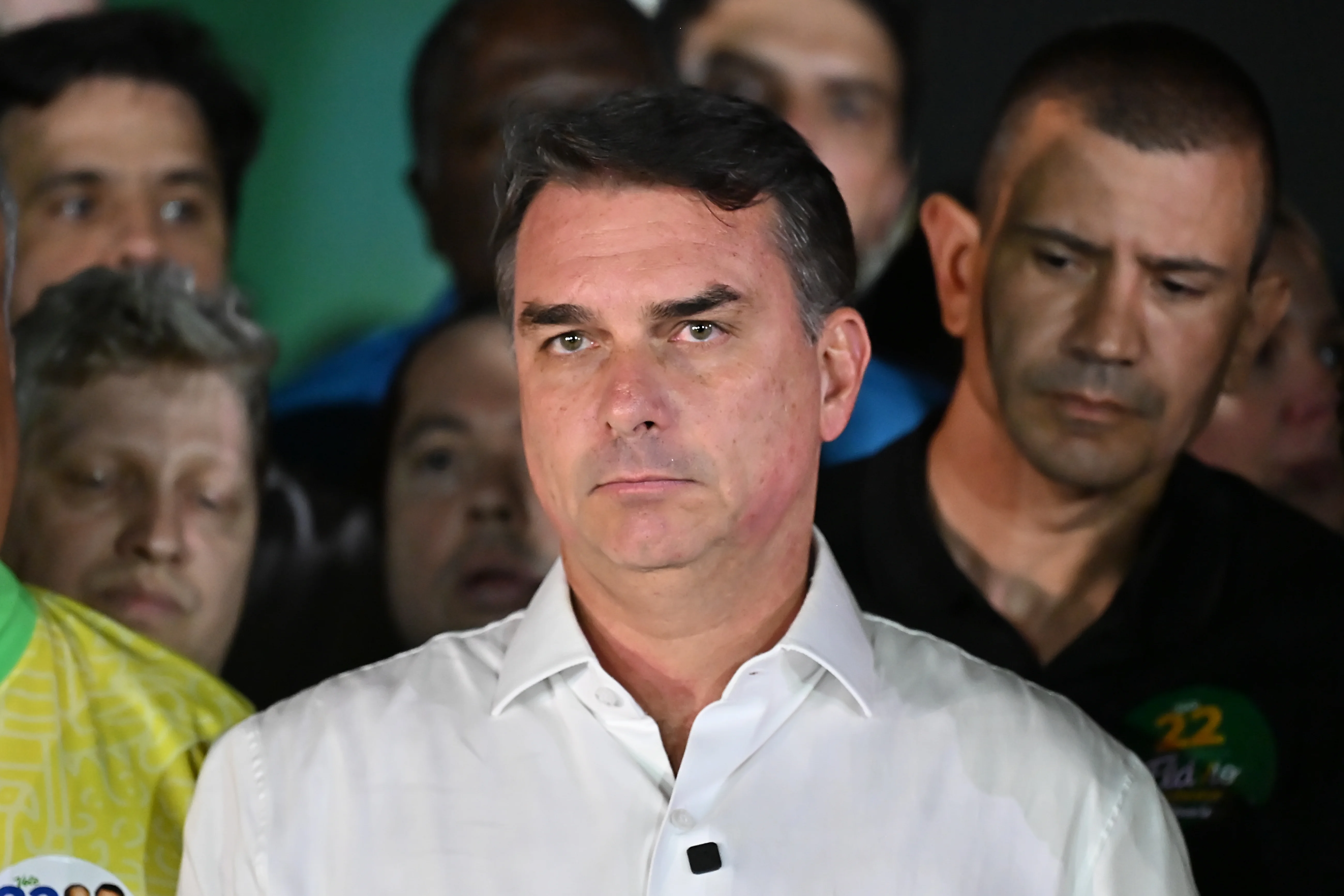
The concrete rupture is the issuance of US visas to Flavio Bolsonaro, son of former Brazilian President Jair Bolsonaro, at a time when he is the subject of a money laundering probe in his home country. This decision by the US State Department has immediate implications for the legal status of Bolsonaro and his family, allowing them to reside in the United States while the investigation proceeds in Brazil. The move is seen as a significant political statement, potentially shielding Bolsonaro from the full force of Brazilian judicial proceedings and altering the dynamics of the ongoing legal battle. It also raises questions about the coordination between US and Brazilian law enforcement agencies in handling cases involving high-profile political figures.
The underlying tension is rooted in the complex relationship between the US and Brazil, where political alliances often intersect with legal and judicial matters. The decision to grant visas in the face of an active investigation suggests a prioritization of political considerations over strict adherence to international legal norms. This friction is exacerbated by the differing legal frameworks of the two countries, where the US may view the case through a lens of political asylum or diplomatic protection, while Brazil insists on the independence of its judiciary. The institutional friction is further compounded by the potential for the case to become a tool of political leverage in the broader geopolitical context.
The downstream casualties include the erosion of public trust in the judicial systems of both countries and the potential for a precedent that could encourage other political figures to seek refuge in the US to avoid legal consequences. The tangible outcome is a heightened sense of uncertainty for Brazilian citizens regarding the rule of law and the impartiality of the justice system. The move also has implications for the US, as it may face criticism for compromising its commitment to anti-corruption efforts and the rule of law. The long-term consequence is a potential weakening of international cooperation in combating financial crimes and a shift in the balance of power between political and judicial institutions.
Comments 0