Skip to content
🌐 Global🇮🇳 India📍 Asia-Pacific📍 Bihar📍 Delhi-NCR📍 East India📍 Europe📍 Gujarat📍 Karnataka📍 Kerala📍 Madhya Pradesh📍 Maharashtra📍 Middle East📍 North India📍 Northeast India📍 Punjab📍 Rajasthan📍 South India📍 Tamil Nadu📍 Telangana📍 United Kingdom📍 United States📍 Uttar Pradesh📍 West Bengal📍 West India
LIVE
Home / Technology
Technology

Flight‑path clash clouds Kalyani airport operations

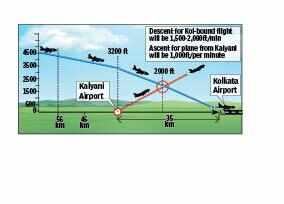
Air traffic controllers reported a near‑miss incident as civilian and military aircraft converged over the Kalyani airfield. The episode raises questions about air‑space management in a densely populated corridor.
Times of IndiaOctober 4, 20261 min read
Share this story
Flight‑path clash clouds Kalyani airport operations
The Strategic Consequence
In the next twelve months the civil aviation authority is likely to mandate new separation standards, reshaping regional air traffic management.

The concrete rupture occurred when radar logs captured two aircraft breaching prescribed corridors, forcing an emergency diversion and temporary shutdown of the airport. Underlying tension reflects competing priorities between civil aviation growth, defence training flights, and inadequate coordination mechanisms among regulatory bodies. Downstream, the incident may trigger revisions to flight‑path protocols, investment in advanced navigation systems, and heightened scrutiny from the aviation regulator.

📡 Verified Wire Agency Verified Resource & Provenance
Original Resource
✉
The Next Brief
Get the day's most important stories in one email
AI-curated morning digest. No noise. Unsubscribe anytime.

Comments 0

Advertisement

Related stories

Most read

  1. 1The Cockpit Door: A Pilot's Defiance and the Fracture of Air Safety NormsWorld
  2. 2Impostor posing as Minister threatened judges inside District Judge’s chamber in West BengalPolitics
  3. 3'Sigma' BO day 1 vs 'Baththa' BOEntertainment
  4. 4Machchhar, Hathi, Ghoda: Curious menagerie in Gujarati surnamesTop Stories
  5. 5Mirror-image crystals reverse the direction of light-driven currentsScience