Former Punjab DGP Siddharth Chattopadhyaya Defects to Bharatiya Rashtriya Party
The ex‑director general of police in Punjab announced his affiliation with the Bharatiya Rashtriya Party, signalling a rare high‑level shift from bureaucracy to partisan politics. His move has already sparked debate over the independence of law‑enforcement leadership in the state.
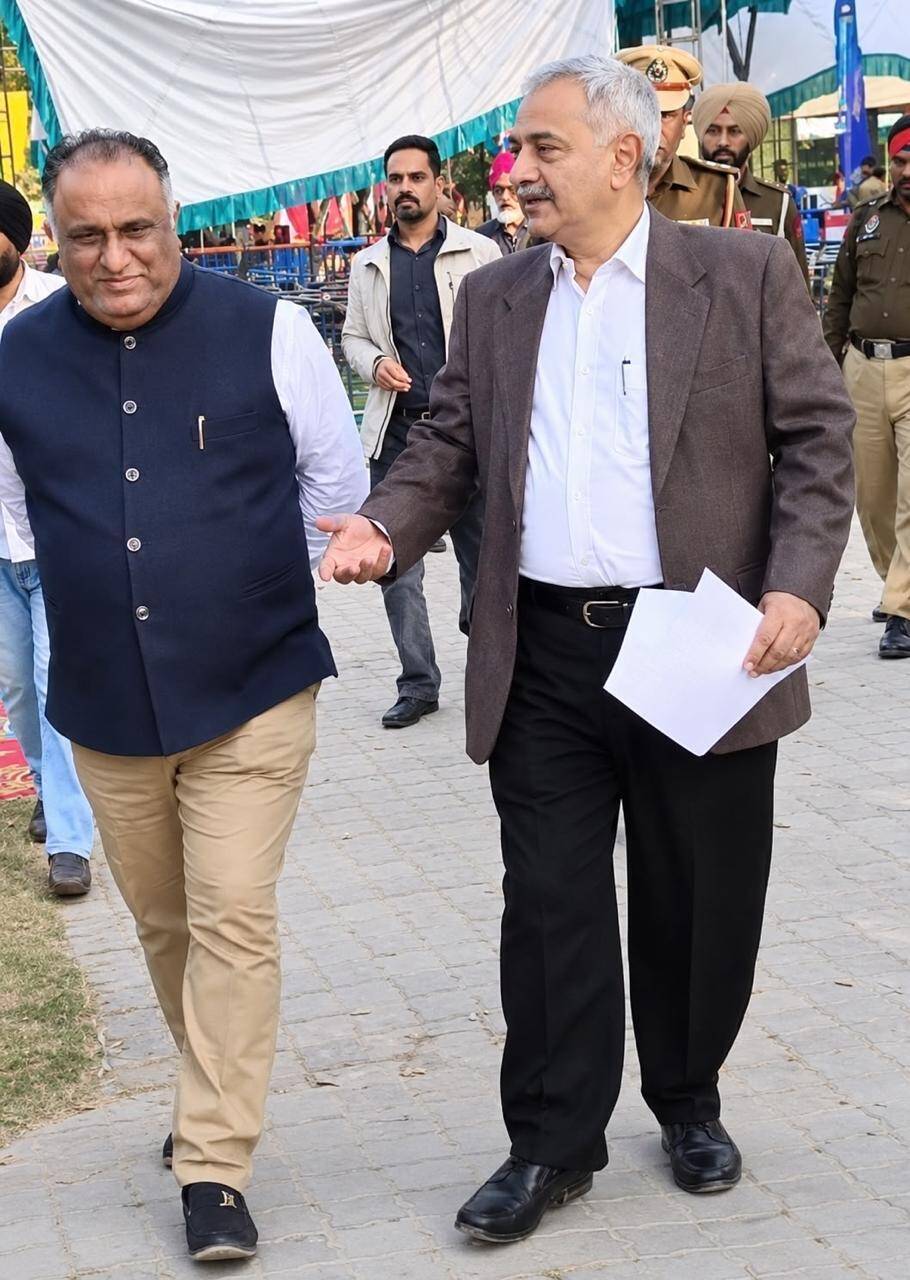
Siddharth Chattopadhyaya, who retired after a two‑decade tenure as the chief of Punjab police, publicly declared his membership in the Bharatiya Rashtriya Party during a press conference in Chandigarh. His career was marked by a series of high‑profile investigations, including anti‑narcotics operations and communal harmony initiatives, which earned him both commendations and criticism from political quarters. The decision to join a nascent political outfit reflects personal disillusionment with the current administration and a strategic calculation that his law‑enforcement credentials can lend credibility to the party's law‑and‑order narrative.
The transition has ignited a broader conversation about the permeability of India's civil services and the potential for institutional capture. Critics argue that a former top police officer aligning with a political faction may erode public confidence in the impartiality of the police, especially in a state where law‑enforcement agencies have historically been entangled in electoral politics. Supporters contend that his experience could bridge the gap between security policy and legislative action, offering pragmatic insights into crime prevention and community policing. The move also places pressure on the state government to reaffirm its commitment to an apolitical police force, a promise enshrined in recent reforms.
In the months ahead, Chattopadhyaya's presence is likely to influence the Bharatiya Rashtriya Party's electoral strategy, particularly in constituencies where law‑and‑order concerns dominate voter sentiment. His insider perspective may shape the party's platform on police reforms, potentially prompting legislative proposals that seek greater autonomy for the force. Conversely, opposition parties may weaponize his defection as evidence of systemic vulnerabilities, calling for stricter post‑service lobbying bans. The episode underscores a shifting power dynamic where seasoned bureaucrats increasingly view political engagement as a viable avenue for extending their influence beyond retirement.
Comments 0