France Descends into Chaos as Protests Turn Violent and Infrastructure Burns
Violent protests in France have escalated to the point of city halls being set ablaze and shops looted, marking a significant deterioration in public order. This unrest reflects deepening societal fractures and challenges the government's ability to maintain stability in the face of widespread discontent.
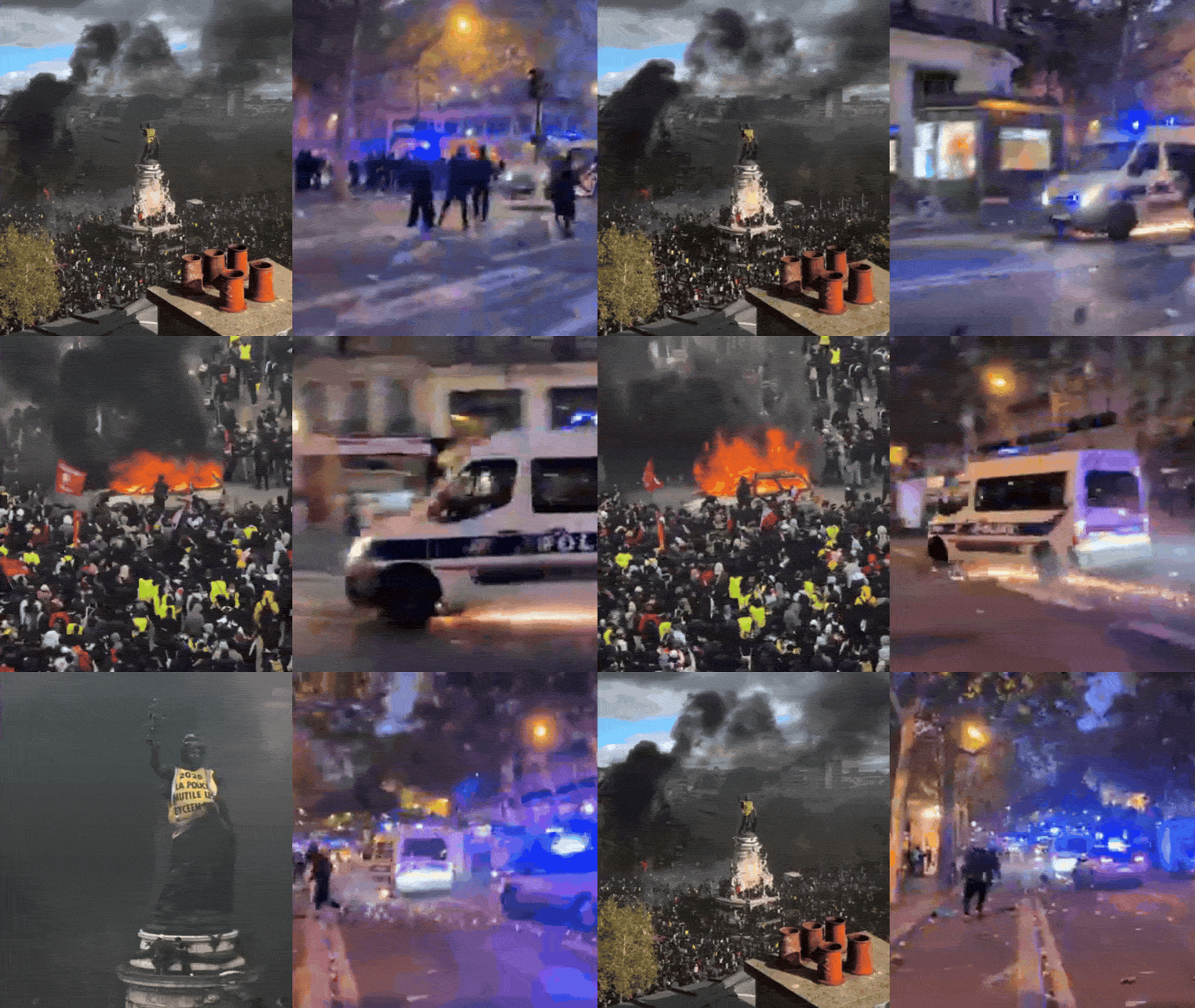
The concrete rupture is the physical destruction of state symbols and commercial property during public demonstrations. The ignition of city halls and the looting of shops signify a breakdown in the social contract, where protest has moved beyond expression of dissent to active sabotage of civic infrastructure. This level of violence indicates that a segment of the population has lost faith in institutional channels for redress, opting instead for direct, destructive action to voice their grievances. The images of burning public buildings serve as a visceral reminder of the fragility of order in times of acute social stress.
The underlying tension is rooted in long-standing economic and social inequalities that have been exacerbated by recent policy decisions. Institutional friction arises as the government struggles to balance the need for law and order with the imperative to address the legitimate concerns driving the unrest. The failure to de-escalate the situation suggests a disconnect between the state's response mechanisms and the intensity of public anger, with police forces facing increasing resistance and public sympathy shifting towards the protesters in some quarters.
The downstream casualties include small business owners who have lost their livelihoods and public servants who have seen their offices destroyed. The tangible outcome is a heightened state of emergency and a potential crackdown on civil liberties, which may further alienate the populace. This cycle of violence and repression risks entrenching a political divide that could undermine the stability of the French Republic, with the potential for similar unrest to spread to other regions facing comparable economic pressures.
Comments 0