From A Rajasthan Village To IPS: Meet Farmer's Son Who Became Delhi Police DCP
Indian Police Service officer Rajendra Prasad Meena shared his inspiring transition from a small village in Rajasthan to becoming a Deputy Commissioner of Police in Delhi. Speaking in a featured broadcast, the officer offered insights into civil service preparation and police administration in the national capital.
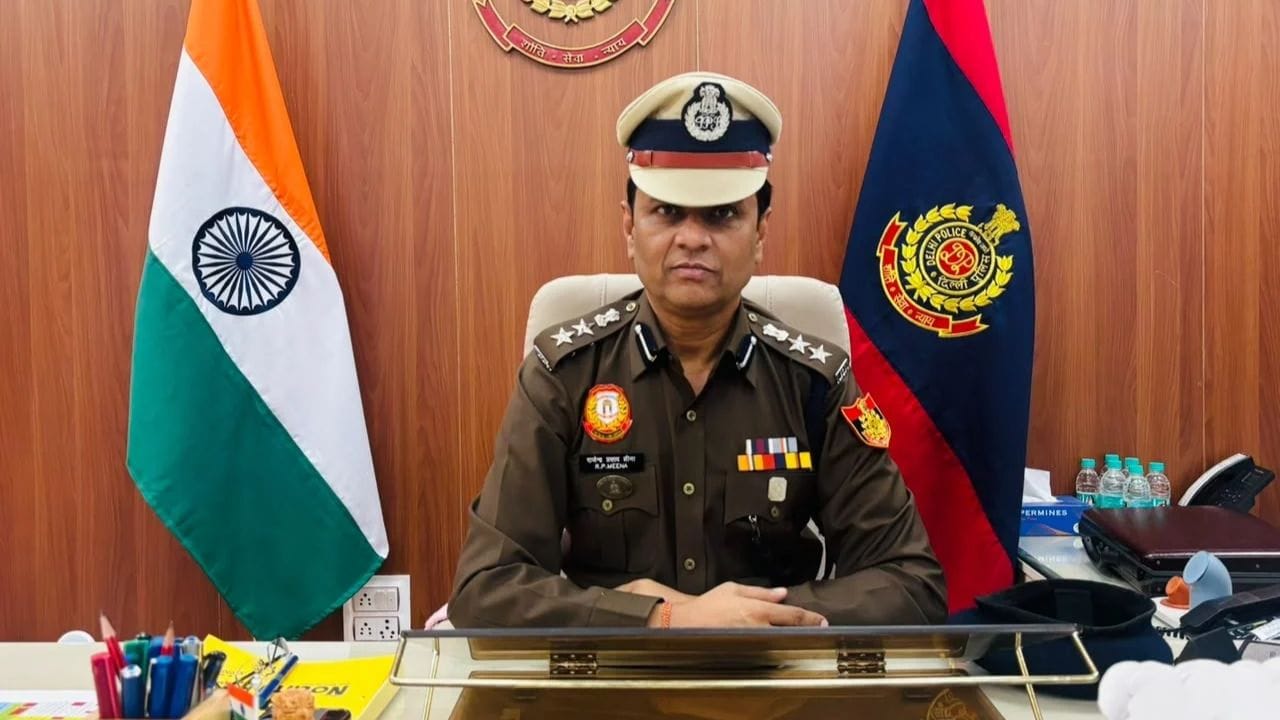
In a special broadcast feature titled Know Your DCP, Indian Police Service officer Rajendra Prasad Meena detailed his personal journey from a modest agricultural background in Rajasthan to senior police administration in the national capital. Speaking in an interview conducted by journalists Rajnish Kumar Singh and Ravi Dalmia, the officer recounted his early upbringing in a farming family and the persistent efforts required to clear the competitive Union Public Service Commission examinations. His trajectory underscores how determination and academic focus can open avenues for individuals from rural backgrounds within the public administration framework.
During the broadcast, Deputy Commissioner of Police Meena reflected on his operational duties across various policing assignments in Delhi, discussing the practical challenges of urban law enforcement and community policing. He highlighted the technical, administrative, and strategic demands placed on modern law enforcement officers managing complex metropolitan jurisdictions. The officer also outlined guidance for young civil service aspirants, stressing the importance of discipline, continuous learning, and maintaining personal integrity while preparing for nationwide competitive examinations and subsequent public service roles.
This narrative resonates strongly with millions of young citizens across India who view the civil services as an impactful path toward social mobility and public service. Stories of individuals rising from rural farming communities to key administrative posts in major metropolitan cities illustrate the egalitarian opportunities inherent in merit-based public recruitment examinations. For Indian readers, particularly youth in tier-two and tier-three regions, such real-life accounts offer valuable practical lessons on overcoming socio-economic barriers through dedicated academic preparation and public commitment.
Comments 0