From Bastion Of Conflict To Sanctuary Of Learning In Abujhmad
Security forces successfully repurposed a heavily fortified anti-militancy camp in the interior forests of Chhattisgarh into a residential student hostel. One hundred and fifty tribal children now occupy barracks previously reserved for counter-insurgency operations.
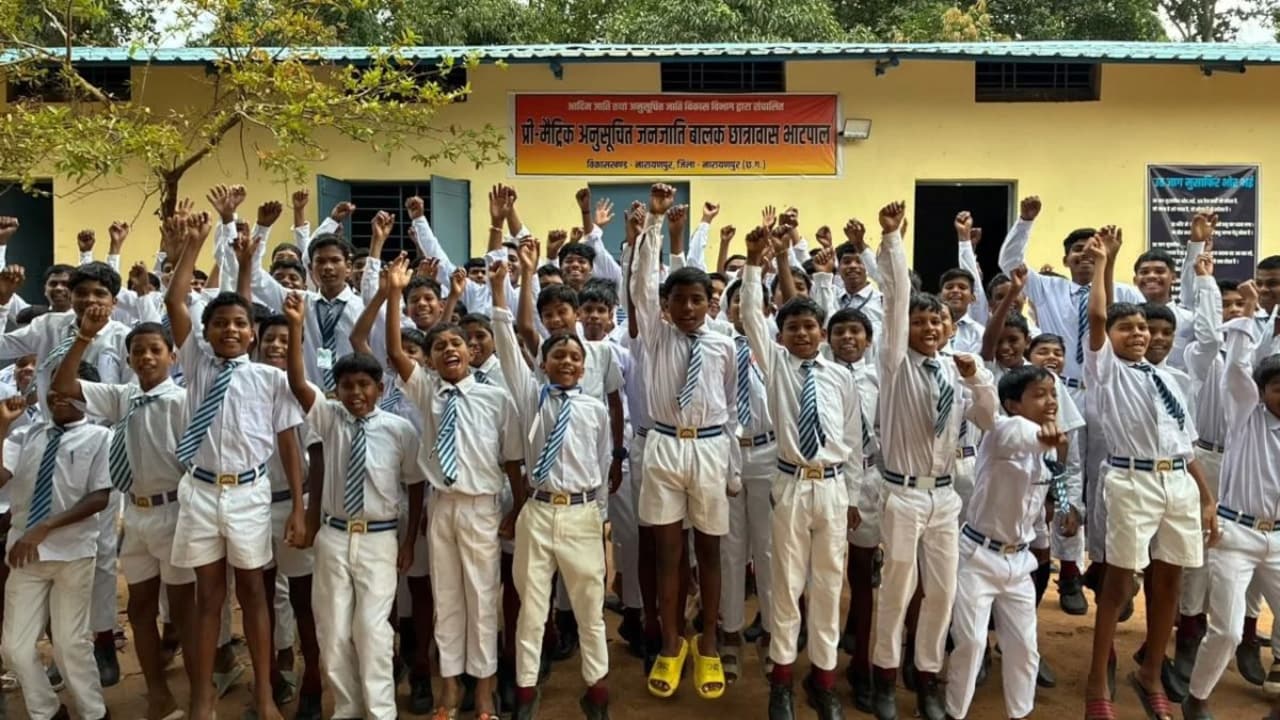
Deep within the remote forested terrain of Abujhmad, an architectural monument to internal warfare underwent a profound symbolic and functional transformation. State authorities dismantled the fortifications of a former security base, replacing barbed wire and watchtowers with dormitories, study halls, and dining facilities. Indigenous youths who previously abandoned secondary education due to prohibitive travel distances can now reside securely while pursuing academic instruction. For decades, this geographically isolated zone suffered from a severe deficit of basic civil infrastructure, trapped in a perpetual cycle of state security operations and insurgent retaliation. Converting tactical military real estate into educational assets represents a calculated strategic pivot from pacification through force to integration through human development. Local communities have long demanded reliable scholastic access to prevent generational educational disenfranchisement. Young tribal scholars gain immediate access to continuous secondary and higher secondary education without the financial burden of renting private urban rooms. The institutional footprint of the state in these remote territories shifts permanently from coercive military presence to developmental empowerment.
Comments 0