From Taxi Driver to Asian Games Medallist: The Remarkable Journey of Salman Khan
Salman Khan secured a bronze medal in the men's double sculls at the Asian Games, capping an improbable life path from driving taxis in Mumbai to international athletic glory. His victory stands as a to unrelenting perseverance against severe economic adversity.
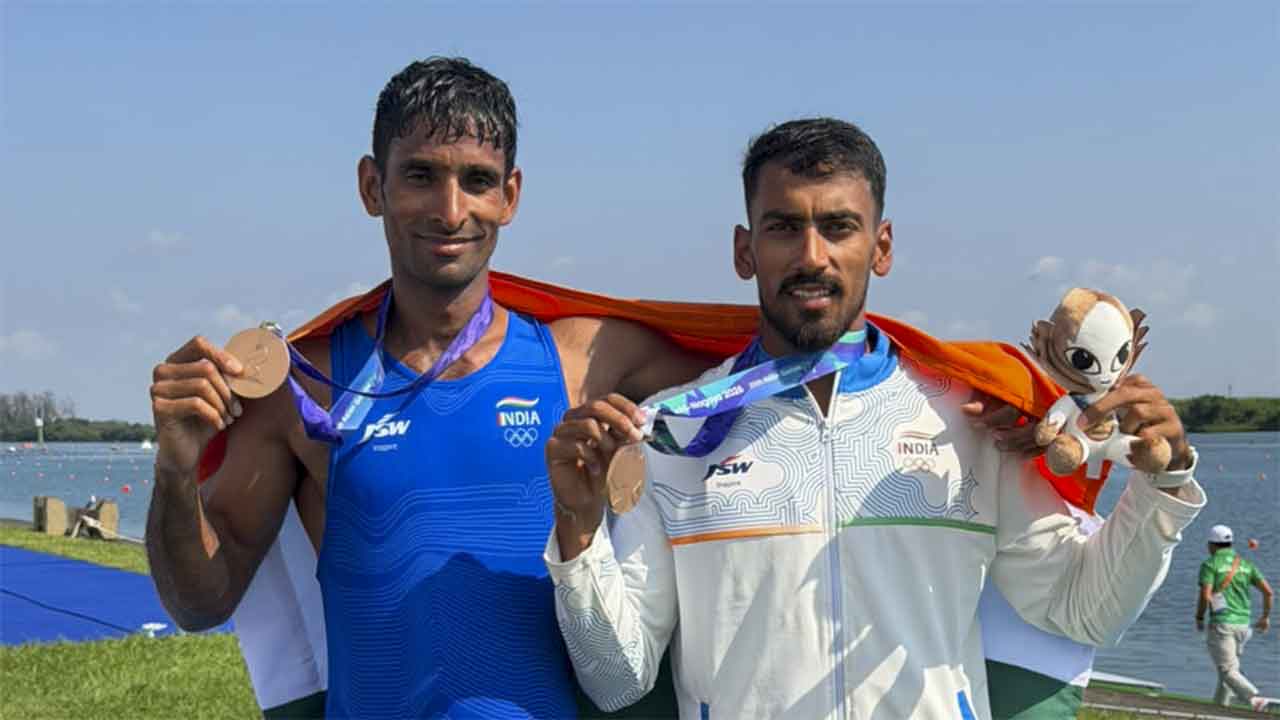
The athletic arenas of international competition occasionally produce narratives that transcend sports entirely. Salman Khan etched his name into the annals of Indian rowing by claiming the bronze medal alongside teammate Satnam Singh in the men's double sculls event. Behind this medal lies a harrowing personal history that began at age eighteen when the sudden loss of his father forced him behind the steering wheel of a taxi to sustain his family for months before he enlisted in the Indian Army. His athletic trajectory reflects the gritty realities faced by athletes emerging from non-privileged backgrounds in India, where military sports quotas often provide the sole institutional bridge to professional training. Balancing grueling rowing drills with military duties required an extraordinary level of discipline, shielding him from the financial precarity that typically forces young athletes to abandon sport for subsistence work. The immediate outcome is national recognition and a well-earned podium finish on the continental stage. The downstream effect of such triumphs is the inspiration provided to countless grassroots athletes across military and rural institutions, proving that elite international success remains achievable despite the absence of generational wealth.
Comments 0