Fuel Retailers Threaten UPI Blackout Over Merchant Discount Rate Disputes
Petrol pump dealers across India are preparing to halt UPI payments exceeding two thousand rupees starting October 15. The standoff erupts over the proposed introduction of a zero point four percent merchant discount rate.
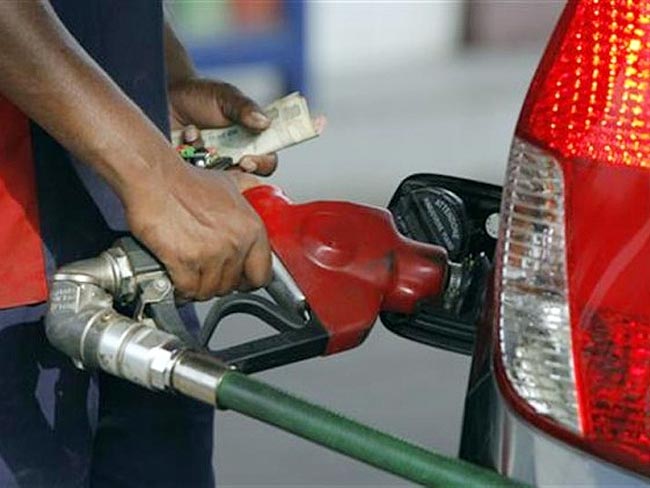
The ubiquitous convenience of digital transactions at Indian fuel stations faces a sudden, grinding halt as fuel pump dealers draw a hard financial line. The Consortium of Indian Petroleum Dealers has warned that accepting transactions above two thousand rupees via Unified Payments Interface will no longer be economically viable if the financial sector imposes a zero point four percent merchant discount rate. For years, fuel retailers have absorbed thin margins dictated by state-controlled pricing structures, leaving them vulnerable to any sudden imposition of transaction processing fees. This confrontation exposes the widening fault lines between fintech expansionists and traditional retail merchants who bear the backend costs of digital adoption. While payment aggregators and banking institutions push for monetization of high-volume transaction networks, low-margin high-turnover businesses like fuel retail argue that absorbing these fees eats away their entire net profit. The institutional friction pits the National Payments Corporation of India against localized trade associations, testing the sustainability of a cashless economy built on zero-fee assumptions for end-users. Should the deadlock persist past the mid-October deadline, millions of motorists will find themselves scrambling for physical cash or legacy card payment methods at highway pumps and urban filling stations alike. The immediate consequence will be severe friction in daily retail commerce and a temporary retreat from digital penetration metrics in the energy sector. Ultimately, the outcome will force the central bank and financial regulators to either subsidize transaction costs or risk a damaging fragmentation of India digital payment ecosystem.
Comments 0