Gen Z's Halloween Protests in Germany: A New Wave of Civic Discontent
Thousands of young Germans have taken to the streets in Halloween costumes to protest political and social issues, signaling a shift in the tactics of youth activism. This movement reflects a growing disillusionment with traditional political channels and a desire for more direct and visible forms of civic engagement.
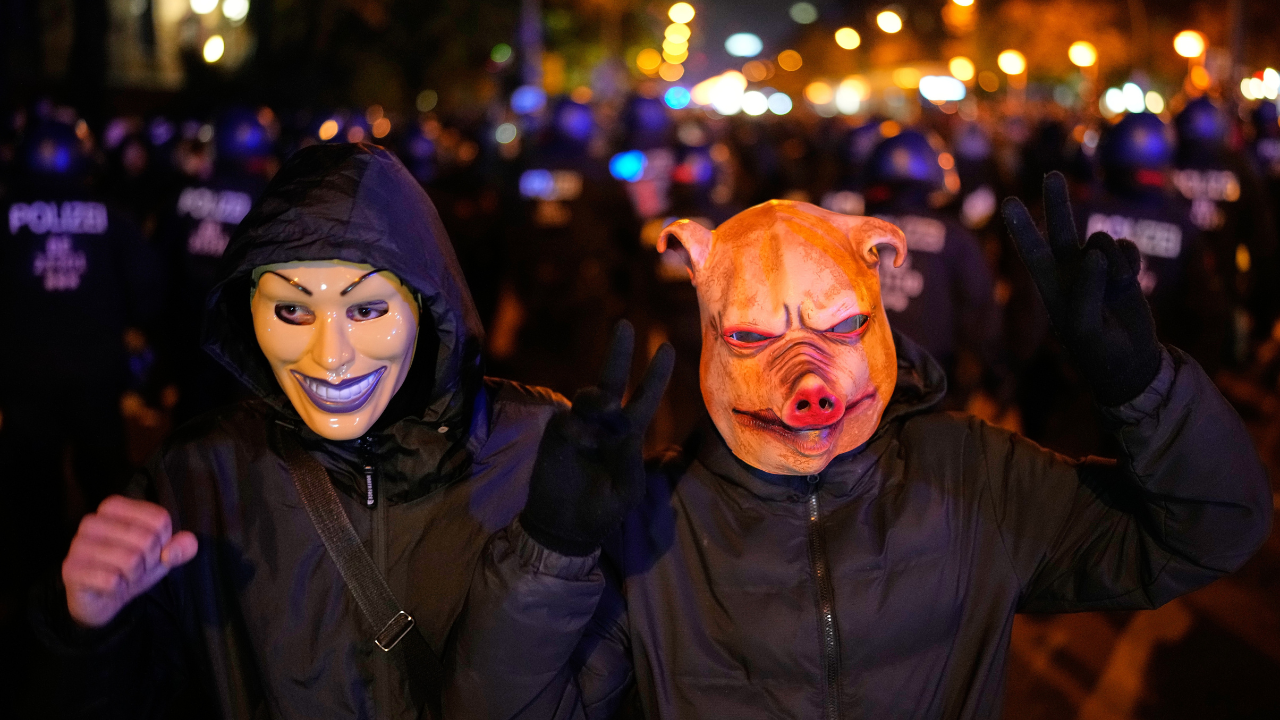
The sight of thousands of young Germans marching in Halloween costumes is a striking image of a new form of civic protest. The use of costumes and the timing of the event, coinciding with Halloween, are designed to attract media attention and to create a sense of spectacle that can be easily shared on social media. The protesters are demanding action on a range of issues, including climate change, housing affordability, and political representation. The movement is characterized by its decentralized nature, with no single leader or organization, and its reliance on digital platforms to coordinate and amplify its message.
The underlying tension is the growing disconnect between the younger generation and the established political institutions, which are perceived as slow, ineffective, and out of touch with the concerns of young people. The use of Halloween costumes is a way of subverting the traditional norms of political protest and of creating a new language of civic engagement that is more accessible and appealing to a younger audience. The movement is also a response to the increasing polarization of political discourse, with young people seeking to create a space for dialogue and collaboration that is not defined by partisan lines.
The downstream consequences of this movement are likely to be significant, as it could lead to a shift in the political and a greater emphasis on the concerns of the younger generation. The use of social media and digital platforms to organize and amplify the message of the protest will likely influence the tactics of future movements, both in Germany and elsewhere. The movement could also lead to a greater demand for political reform, including changes to the electoral system and the structure of political parties. The long-term impact of the movement will depend on its ability to translate its street-level energy into concrete policy changes and to build a sustainable base of support.
Comments 0