Geopolitical Dissonance: External Affairs Minister Jaishankar Exposes Western Blind Spots on Counter-Terrorism
External Affairs Minister S. Jaishankar has sharply criticized Western nations for their persistent lack of empathy regarding India's core terror concerns. The diplomatic friction threatens to complicate ongoing trade negotiations and strategic alignments between New Delhi and Washington.
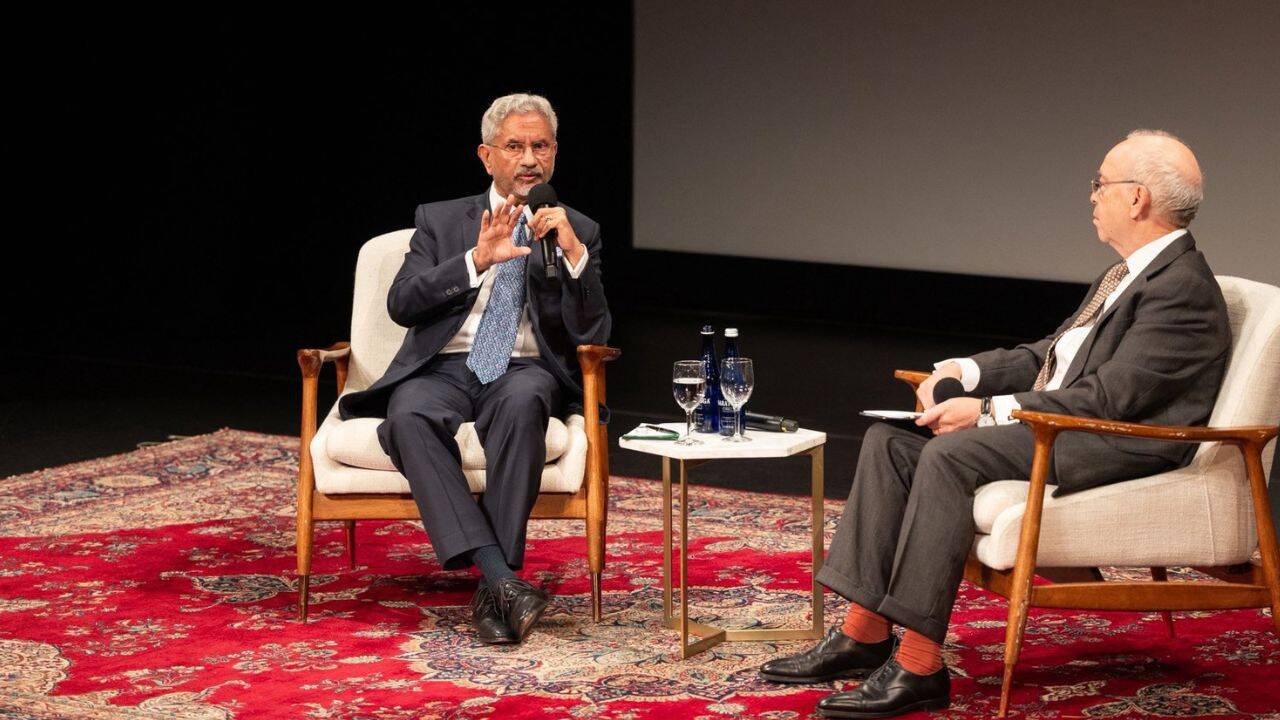
The fundamental architecture of international diplomacy often conceals deep fractures regarding security priorities. During a high-level address, External Affairs Minister S. Jaishankar articulated a growing grievance held by New Delhi: Western partners frequently demand absolute alignment on global theatres while dismissing or trivializing cross-border security threats directed at India. This asymmetry in threat perception has created a diplomatic cold zone, where bilateral discussions on economic partnership stall against the bedrock of unaddressed security anxieties. Institutional friction within bilateral forums stems from divergent historical interpretations of terrorism and state sovereignty. While Washington and its allies prioritize specific geopolitical containment strategies, Indian statecraft demands a universal, zero-tolerance standard against militant networks operating in the immediate neighborhood. Bureaucratic machinery in both capitals struggles to reconcile these competing imperatives, resulting in stalled trade frameworks and mutual frustration that filters down into intelligence-sharing protocols and technological cooperation agreements. The downstream casualty of this ongoing discord is the erosion of strategic trust at a time when Indo-Pacific stability requires seamless coordination. Without a genuine acknowledgment of India's security calculus by Western counterparts, high-level diplomatic communiques will ring hollow, leaving both nations vulnerable to transactional rather than transformative partnerships. The immediate outcome is a defensive recalibration in New Delhi, where policymakers increasingly prioritize domestic resilience and diversified multilateral coalitions over reliance on traditional Western alliances.
Comments 0