Geopolitical Friction Mounts Over Pending United States Energy Sanctions
New Delhi, Moscow, and Beijing have issued coordinated pushback against proposed American legislation targeting energy trade. The bill seeks to penalize nations importing Russian petroleum products.
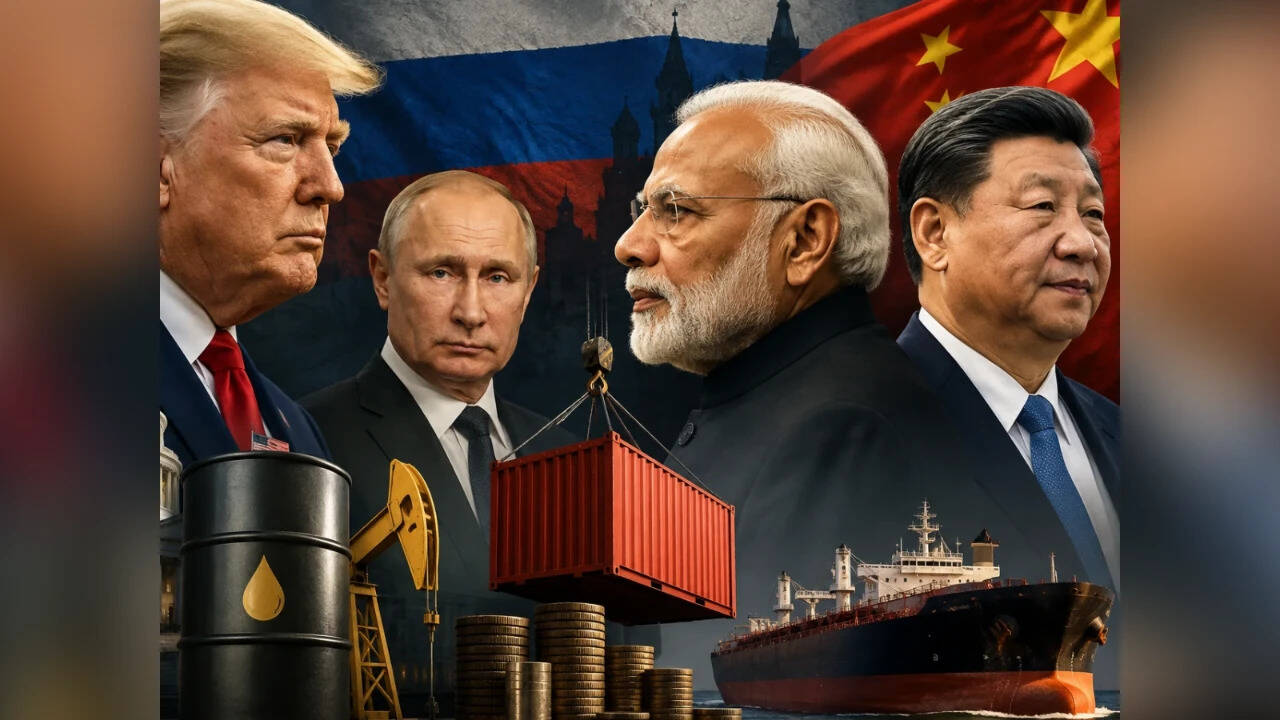
Legislative proposals originating in Washington to impose punitive secondary tariffs on purchasers of Russian energy resources have ignited diplomatic friction across Asia. Indian policymakers, alongside counterparts in Moscow and Beijing, have rejected the extraterritorial reach of the proposed statute, framing it as an unwarranted disruption of sovereign commercial sovereignty. India, facing unique domestic energy security requirements, continues to assert its prerogative to source discounted commodities in alignment with national economic interests. This diplomatic confrontation highlights the growing fracture between Western sanctions regimes and major emerging economies seeking multipolar trade independence. While Washington attempts to constrict Moscow's wartime fiscal revenues, developing nations refuse to absorb the inflationary shocks of artificial supply constraints. The friction severely tests traditional diplomatic alliances, pushing non-aligned powers toward alternative financial settlement mechanisms that bypass Western banking corridors. The tangible outcome of this legislative push is accelerated de-dollarization and the institutionalization of bilateral trade arrangements denominated in local currencies. Energy importers face higher insurance and logistics costs as they adapt to shadow fleet operations and non-SWIFT payment systems. Ultimately, American secondary sanctions fail to halt commodity flows while permanently eroding the global hegemony of Western financial infrastructure.
Comments 0