Geopolitical Friction: New Delhi Rejects International Religious Freedom Body Remarks as Blatantly Political
The Indian government has issued a sharp rejection of recent statements by a United States commission regarding security incidents at Sikh gurdwaras, dismissing the allegations as politically motivated interference. This diplomatic rebuke highlights ongoing sensitivities surrounding foreign commentary on domestic minority affairs and interfaith relations.
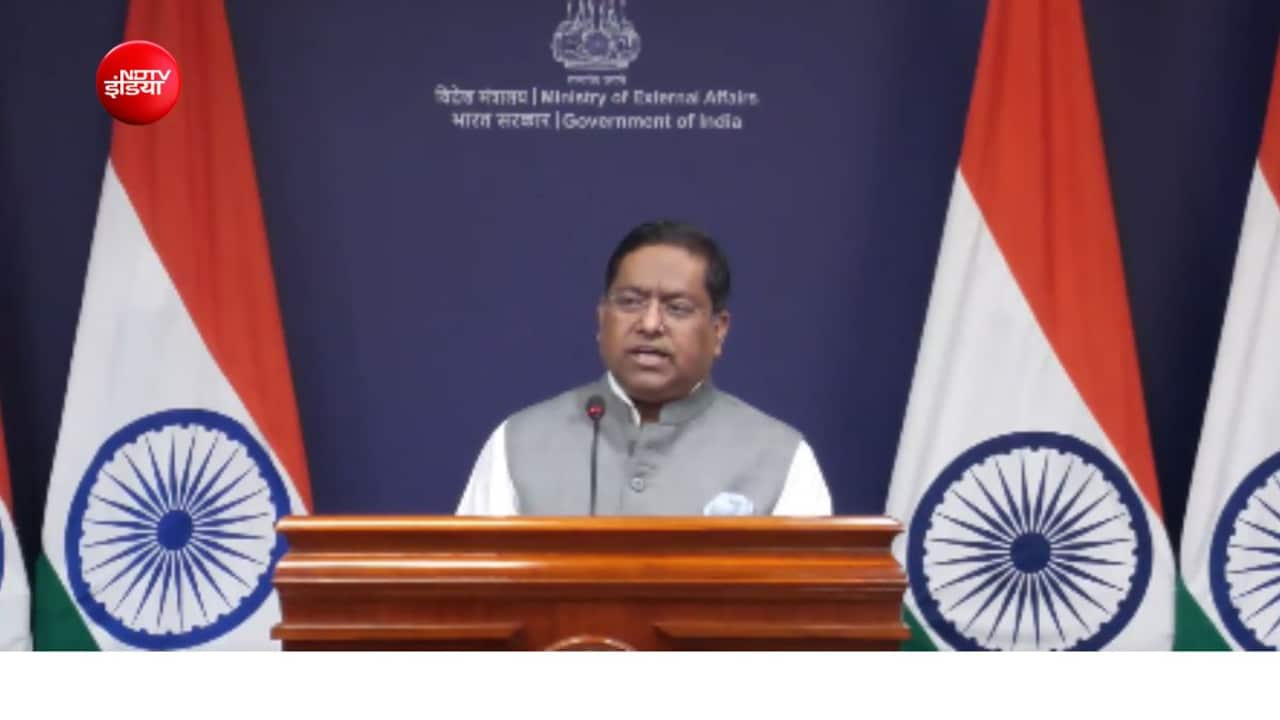
The diplomatic friction between New Delhi and international monitoring bodies intensified following public remarks made by a senior commissioner from the United States Commission on International Religious Freedom. The commissioner had alleged that Sikh gurdwaras across India faced targeted vigilante attacks and attempts to harm religious leaders over preceding weeks. In response, the Ministry of External Affairs rejected the assertions outright, categorizing the commentary as a biased narrative driven by narrow political agendas rather than objective on-ground assessment.
This diplomatic sparring underscores the deep-seated sensitivity regarding foreign evaluations of internal secular governance and minority rights in the world's largest democracy. Indian authorities maintain that existing legal frameworks and local law enforcement mechanisms are fully equipped to address criminal acts and communal tensions without external tutelage. Furthermore, official spokespersons frequently argue that international panels often rely on unverified reports generated by partisan advocacy groups, thereby distorting the complex reality of India's pluralistic society and constitutional protections.
As these bilateral exchanges recur, the immediate casualty is cooperative diplomatic candor on human rights and religious freedom issues. Nations engaging in such public reprimands often find themselves facing hardened administrative resistance and constrained diplomatic channels. For domestic audiences, these recurring controversies serve to rally nationalist sentiment while complicating the broader strategic partnerships that bind democratic nations in an increasingly unstable global order.
Comments 0