Geopolitical Realignment Follows the Mecca Defense Pact
Pakistan scrambled to characterize a newly signed regional security pact as strictly defensive following an unexpected Houthi strike. The diplomatic maneuvering exposes deep anxieties within Islamabad regarding entanglements in West Asian conflicts.
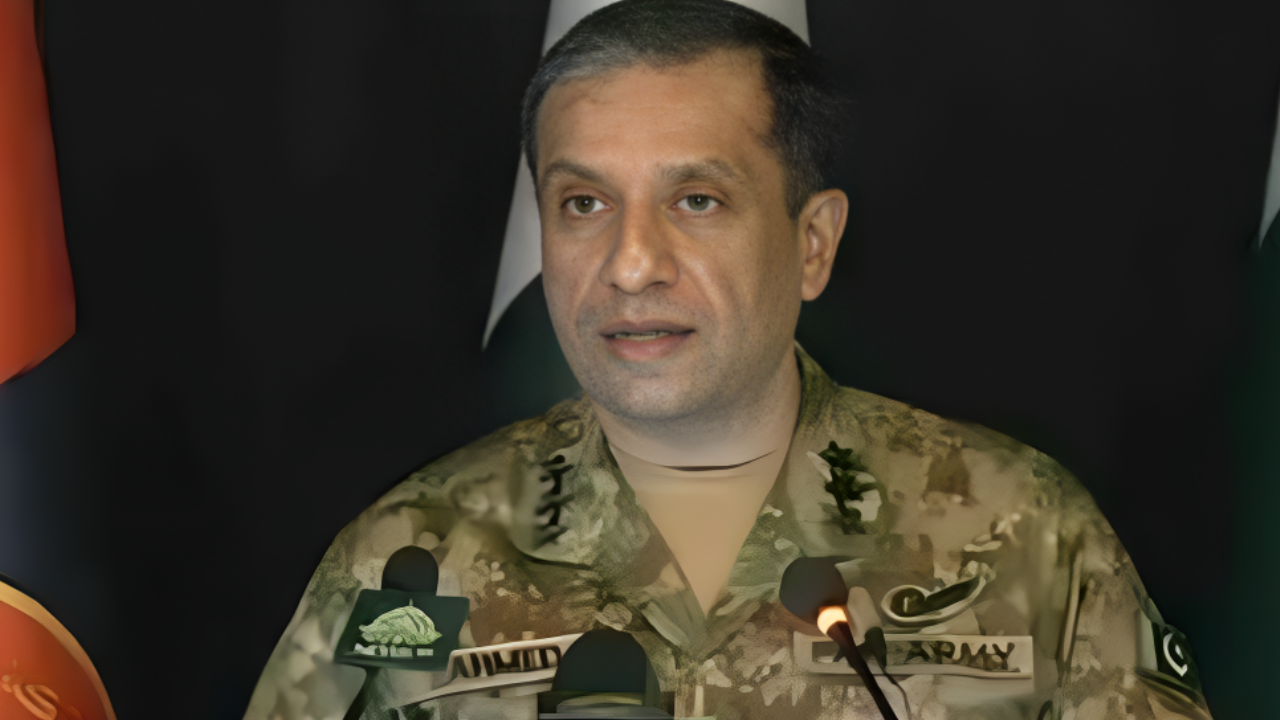
The diplomatic architecture of West Asia faced sudden strain as security guarantees binding Pakistan and Turkey to regional defense frameworks were tested by militant action. Islamabad's foreign ministry rushed to reassure domestic audiences and international observers that the pacts carry no offensive mandate, seeking to avoid direct military entanglement in the escalating conflict involving Houthi forces. This defensive posture highlights the precarious balancing act required of nations that lease military cooperation for economic support without wishing to draw hostile fire. For decades, Pakistan has maintained delicate military partnerships across West Asia, balancing ties with Gulf monarchies while managing internal sectarian sensitivities. The recent kinetic escalations have transformed these abstract diplomatic alliances into immediate operational hazards. Military planners in Rawalpindi now face intense scrutiny over whether mutual defense commitments could compel deployments into active combat zones against asymmetric non-state actors. The immediate fallout includes a recalibration of joint military exercises and a cooling of offensive defense rhetoric among coalition partners. Regional capitals are re-evaluating the reliability of mutual aid agreements when faced with asymmetric drone and missile attacks, forcing a retreat toward bilateral diplomatic dialogues rather than collective military intervention.
Comments 0