Geopolitical Volatility and the Fragile Equilibrium of Middle Eastern Crude Markets
Global energy markets are responding to the shifting calculus of Houthi militant operations, Saudi security postures, and Iranian strategic signalling. Traders are constantly recalibrating risk premiums despite recent indications of contained supply disruptions.
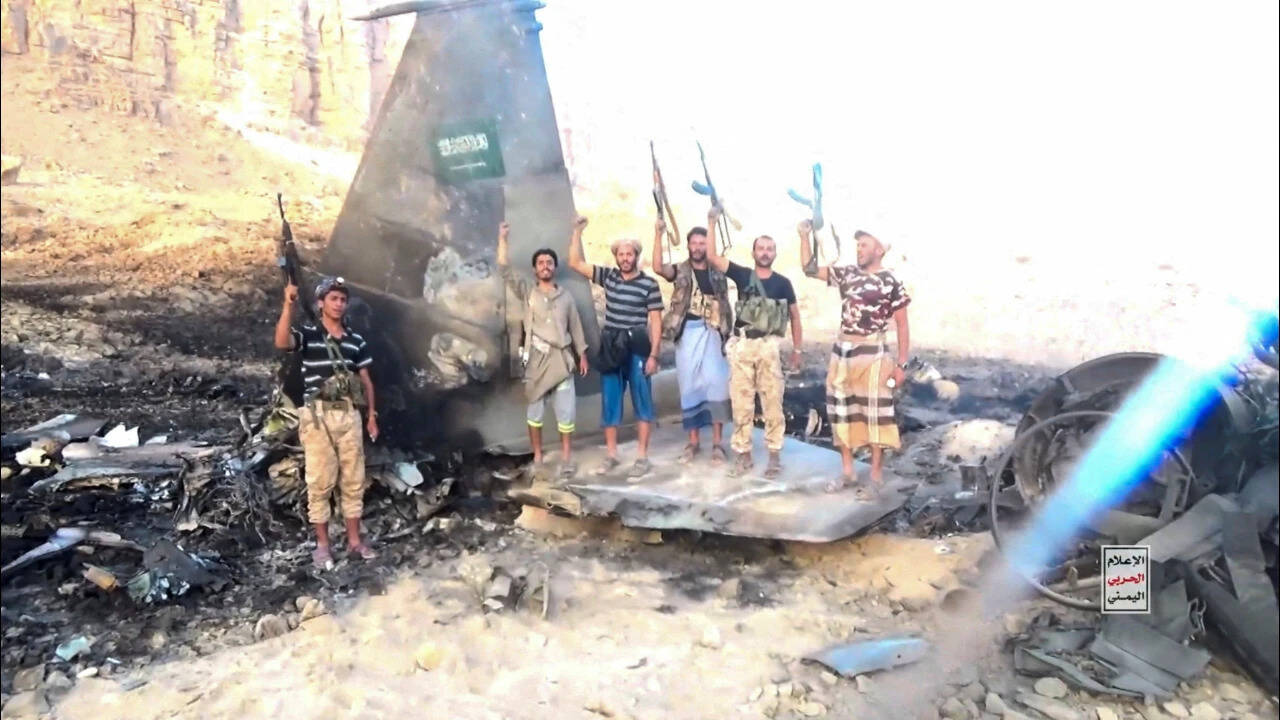
The intricate web of alliances and hostilities involving the Houthi movement, Riyadh, and Tehran continues to dictate the nervous rhythm of international petroleum markets. Recent trading sessions have reflected tentative relief as market participants calculate that potential supply shocks may be mitigated by spare production capacity in the Gulf. Yet, the underlying architecture of regional security remains precarious, leaving maritime trade routes through the Red Sea vulnerable to asymmetric disruption. Energy analysts observe that oil pricing is increasingly driven by perception management rather than immediate physical shortages. Saudi infrastructure security has faced sustained scrutiny, transforming every regional missile trajectory or diplomatic rupture into an immediate price vector. Importing nations in Asia and Europe remain exposed to sudden volatility spikes whenever diplomatic channels between Tehran and regional capitals experience friction. Downstream, industrial consumers and central banks must factor persistent energy vulnerability into their monetary policy calculations. Shipping conglomerates continue to absorb higher insurance premiums and longer transit routes around the African cape, structurally altering global supply chain economics. The situation underscores the enduring reality that energy security remains hostage to geopolitical disputes in West Asia.
Comments 0