Germany’s Baltic Whale Tragedy Unleashes a Frenzy of Conspiracy and Compassion
When a humpback whale stranded on Germany’s Baltic coast, crowds gathered and a torrent of speculation erupted, pitting scientists against self‑styled truth‑seekers. The episode has sparked a nationwide debate on wildlife policy and media responsibility.
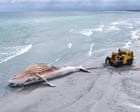
The incident began as a routine rescue operation when local fishermen reported a massive marine mammal beached near the town of Rostock. Veterinarians and marine biologists arrived with equipment to assess the animal’s condition, only to find that the whale suffered severe internal injuries likely caused by a collision with a commercial vessel. As the rescue team worked, onlookers formed a dense circle, live‑streaming the scene and flooding social media with divergent narratives that ranged from environmental activism to fringe conspiracy theories.
Within hours, a parallel narrative emerged online, alleging that the whale’s death was a staged event designed to distract the public from governmental policies on offshore drilling. Influencers amplified these claims, prompting protests outside the regional environmental ministry and demanding an independent inquiry. Meanwhile, reputable scientific bodies issued statements emphasizing the need for transparent data sharing, urging the public to trust evidence‑based assessments rather than sensationalist speculation. The clash highlighted a growing mistrust of institutions and the power of digital platforms to shape public perception.
The reverberations of the episode extend beyond the immediate controversy. Policy makers in Berlin have announced a review of marine traffic regulations in the Baltic Sea, citing the incident as a catalyst for stricter speed limits and enhanced monitoring. Environmental NGOs report a surge in donations and volunteer sign‑ups, indicating that the emotional response may translate into longer‑term advocacy. Over the next twelve months, the episode is likely to influence legislative proposals on marine protection and to reshape the media’s approach to covering wildlife emergencies.
Comments 0