Glacial Collapse across High Himalayas Triggers Severe Regional Inundation
Attribution studies confirm that thermal destabilization triggered a massive glacial failure along the Nepal-Tibet border, causing devastating downriver flooding that claimed over thirteen hundred lives. The event highlights the catastrophic vulnerability of high-altitude mountain communities to accelerating thermal changes.
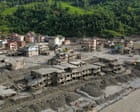
Scientists studying the catastrophic inundation along the Himalayan corridor determined that thermal instability destabilized an immense mass of high-altitude glacial ice, sending millions of cubic meters of debris crashing into mountain river valleys. The resulting outburst flood obliterated entire downstream settlements, demonstrating the extreme mechanical failure points emerging across fragile alpine geography. The tragedy exposes acute deficiencies in transboundary disaster response mechanisms and early warning infrastructure across high-mountain sovereign borders. Geopolitical frictions between neighboring nations have historically hindered open real-time scientific data exchange regarding glacial lake expansion and structural ice stability. National disaster management authorities remain ill-equipped to predict or mitigate rapid-onset hydrological catastrophes originating in inaccessible alpine regions. Upstream communities face permanent displacement as historic mountain habitats become structurally uninhabitable under rising thermal conditions. Downstream hydroelectric installations, civil infrastructure projects, and agricultural valleys will require prohibitive capital expenditure to reinforce against recurrent outburst floods, straining national development budgets.
Comments 0