Global Container Freight Rates Jump 130% Amid Middle East Tensions
International shipping costs have surged by 130 percent as conflict in the Middle East disrupts key maritime corridors. The spike threatens to raise import prices for Indian manufacturers and consumers alike.
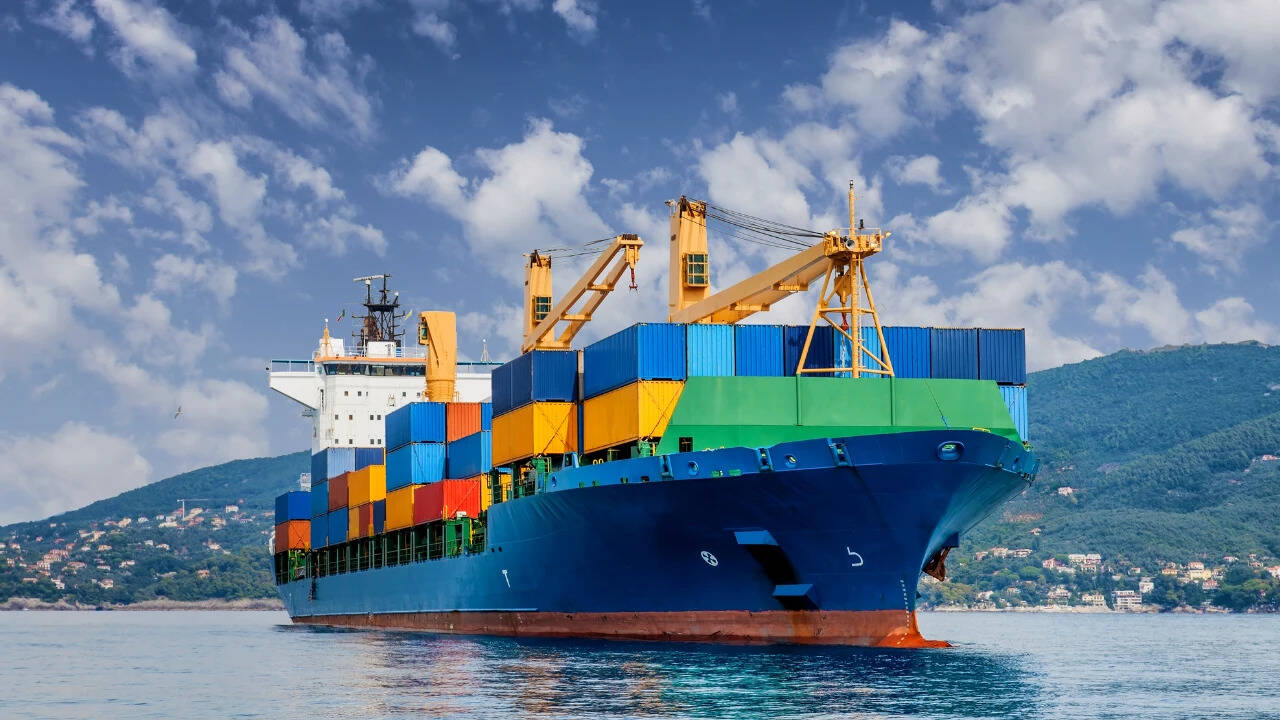
Since February 2026, container freight rates worldwide have climbed dramatically, a trend directly linked to heightened tensions in the Middle East that have forced vessels to reroute around the Arabian Sea. The resulting longer voyages and heightened insurance premiums have inflated the cost of moving goods, with the Indian export‑import sector feeling the brunt of the surge. Analysts note that the 130 percent increase represents an unprecedented shock to supply chains that already wrestle with post‑pandemic volatility.
Indian businesses that rely on imported raw materials, such as steel, chemicals, and electronic components, are confronting sharply higher landed costs. Small and medium enterprises, which operate on thin margins, risk being squeezed out of competitive markets unless they can pass the added expense onto consumers. The government has begun reviewing tariff structures and exploring strategic fuel reserves to mitigate the impact, but immediate relief remains limited.
Over the next twelve months, the sustained freight premium is likely to accelerate a shift toward regional sourcing and greater investment in domestic manufacturing capacity. Companies may also explore alternative logistics solutions, such as rail corridors through Central Asia, to bypass maritime bottlenecks. The structural change could reshape India's trade patterns, reducing dependence on distant suppliers and fostering a more resilient supply network.
Comments 0