Global Cyber Vulnerabilities Exposed as Researchers Demonstrate Smart Appliance Hijacks
Security researchers have demonstrated how consumer smart appliances, including networked supermarket refrigerators, can be compromised by external hackers. The findings underscore growing digital risks as urban infrastructure becomes increasingly connected.
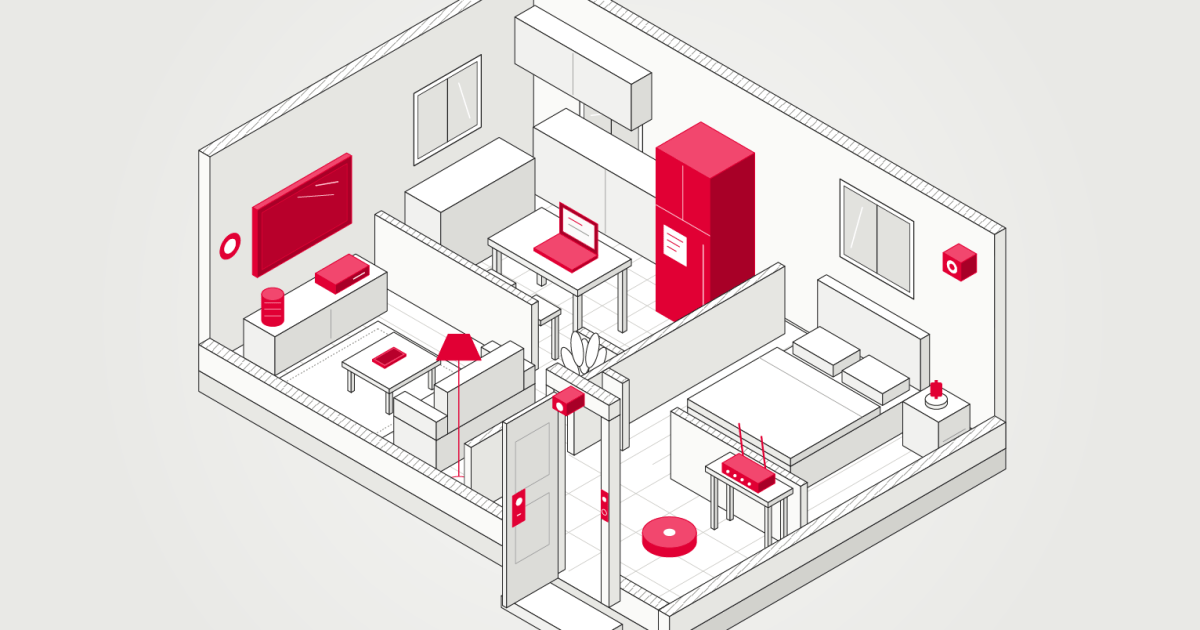
A team of cybersecurity analysts released alarming findings demonstrating the ease with which malicious actors can commandeer ordinary connected consumer appliances, ranging from residential smart thermostats to commercial supermarket refrigeration units. By exploiting unpatched firmware vulnerabilities and weak default authentication protocols, researchers successfully gained remote administrative control over cooling systems and diagnostic displays. This demonstration underscores the alarming expansion of the digital attack surface as manufacturers rush to embed internet connectivity into everyday physical machinery without prioritizing baseline cyber hygiene.
The commercial implications of such vulnerabilities extend far beyond mere consumer inconvenience, threatening supply chain integrity and public health infrastructure. Compromised commercial refrigerators holding perishable foodstuffs or pharmaceutical supplies present severe hazards if temperature controls are manipulated remotely by hostile entities. Regulatory bodies in major economies have struggled to establish enforceable cybersecurity standards for Internet of Things devices, leaving consumers and business operators exposed to extortion, data theft, and physical disruption.
The immediate fallout includes urgent software patches issued by affected manufacturers and increased scrutiny from enterprise risk managers regarding connected vendor equipment. Organizations must now audit their internal networks not only for traditional computer endpoints but also for peripheral smart devices that could serve as entry points for advanced persistent threats. The broader systemic realization is that physical infrastructure security is now inextricably linked to software integrity in an interconnected global economy.
Comments 0